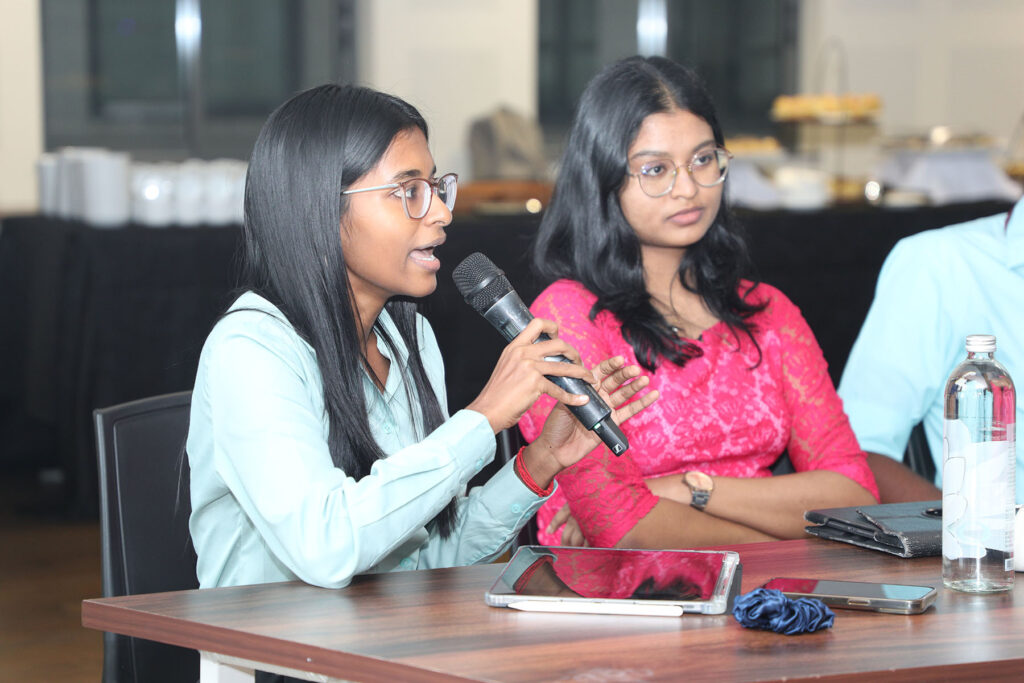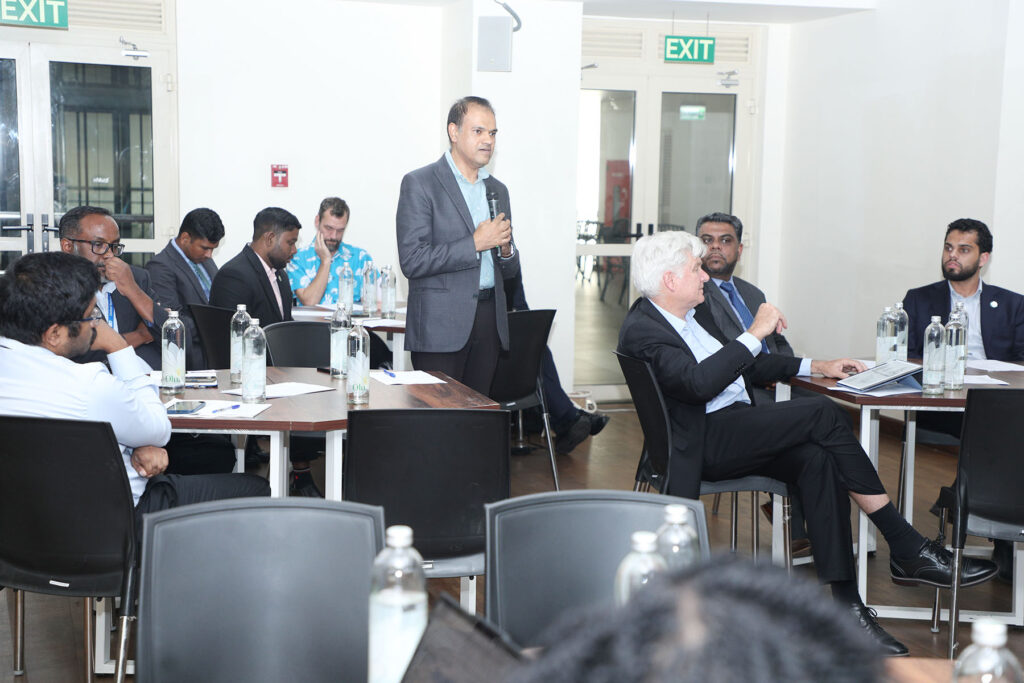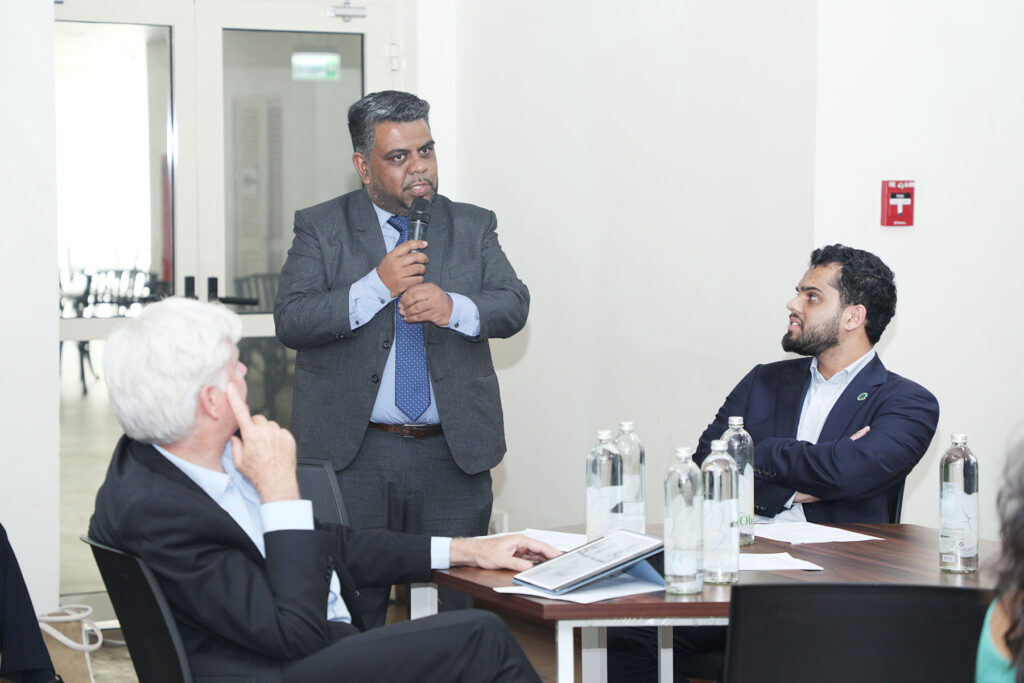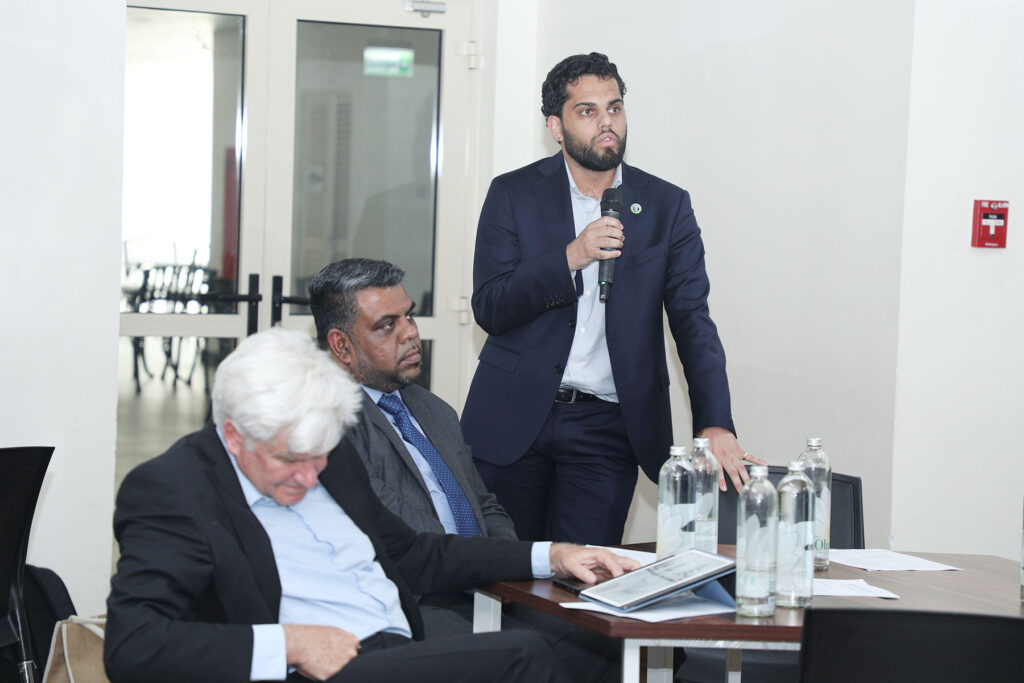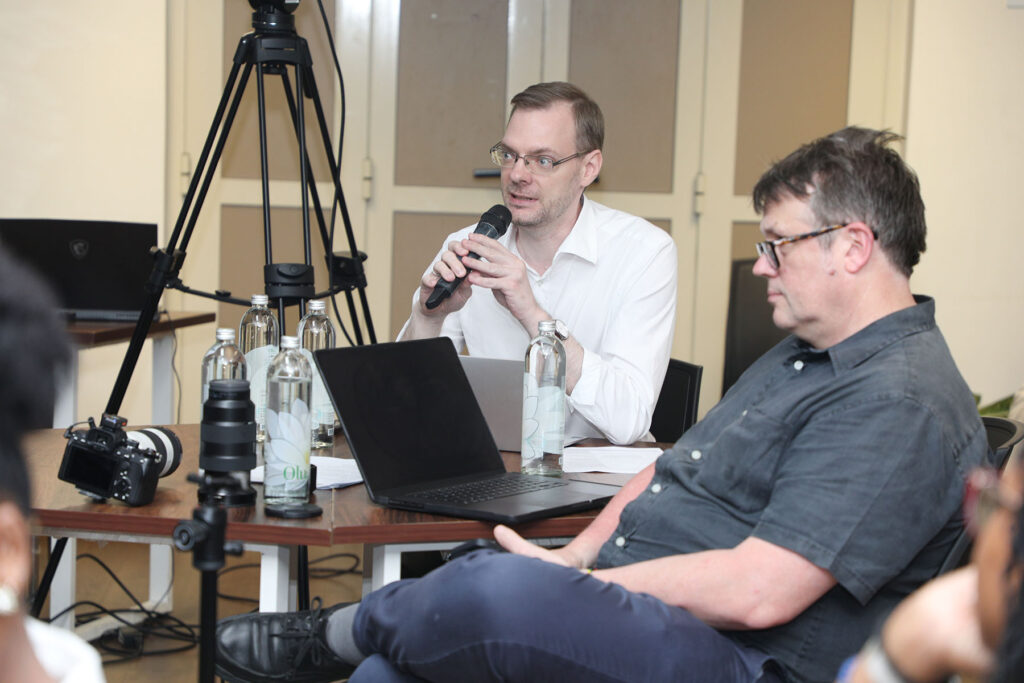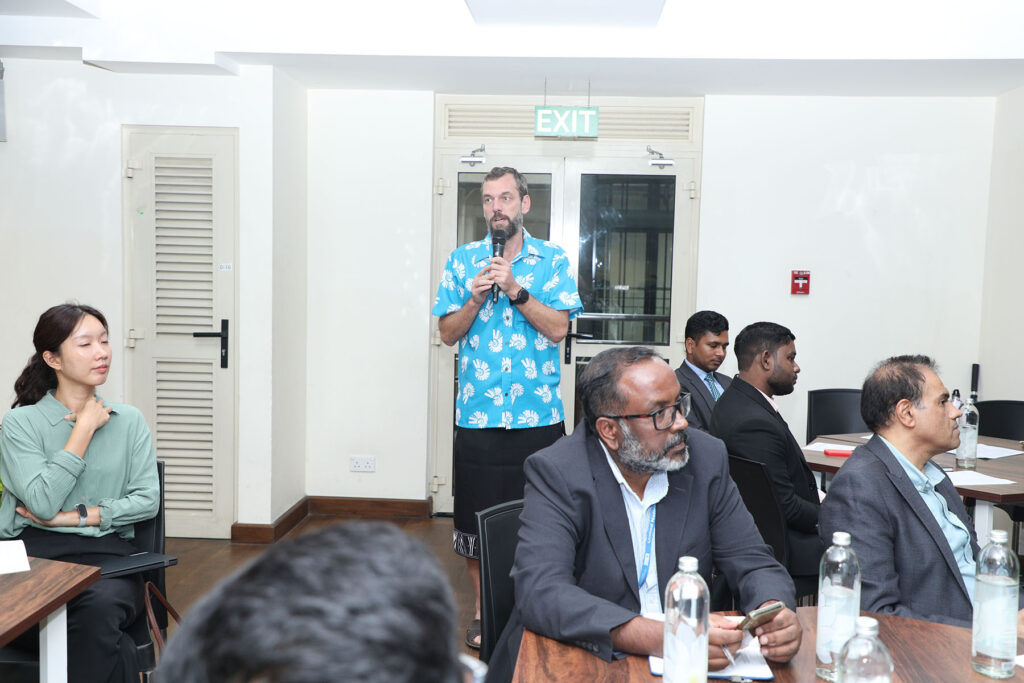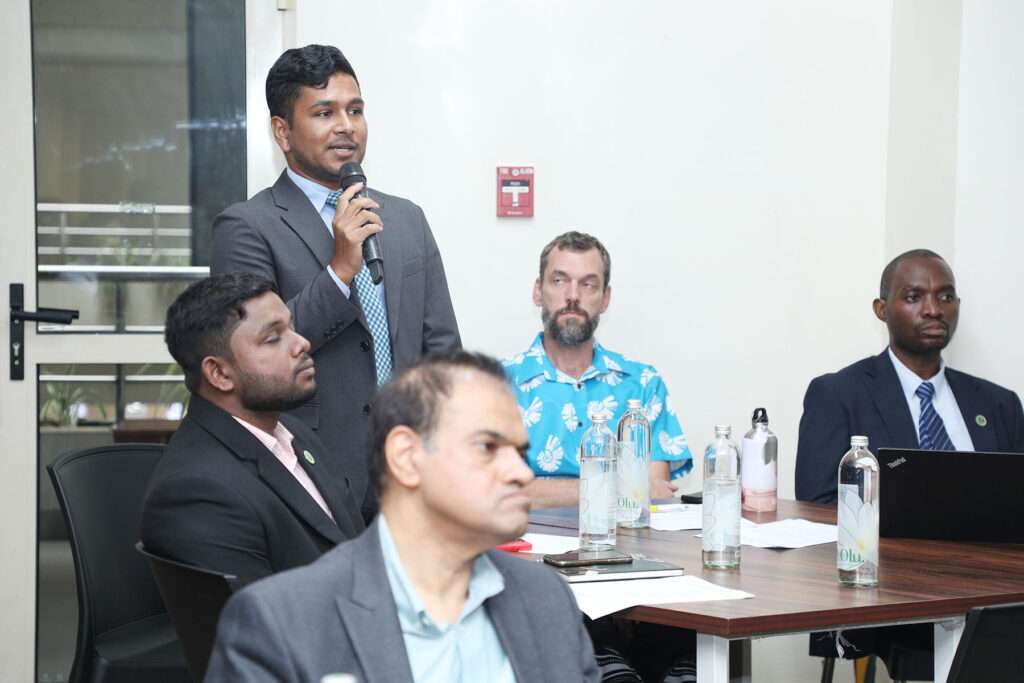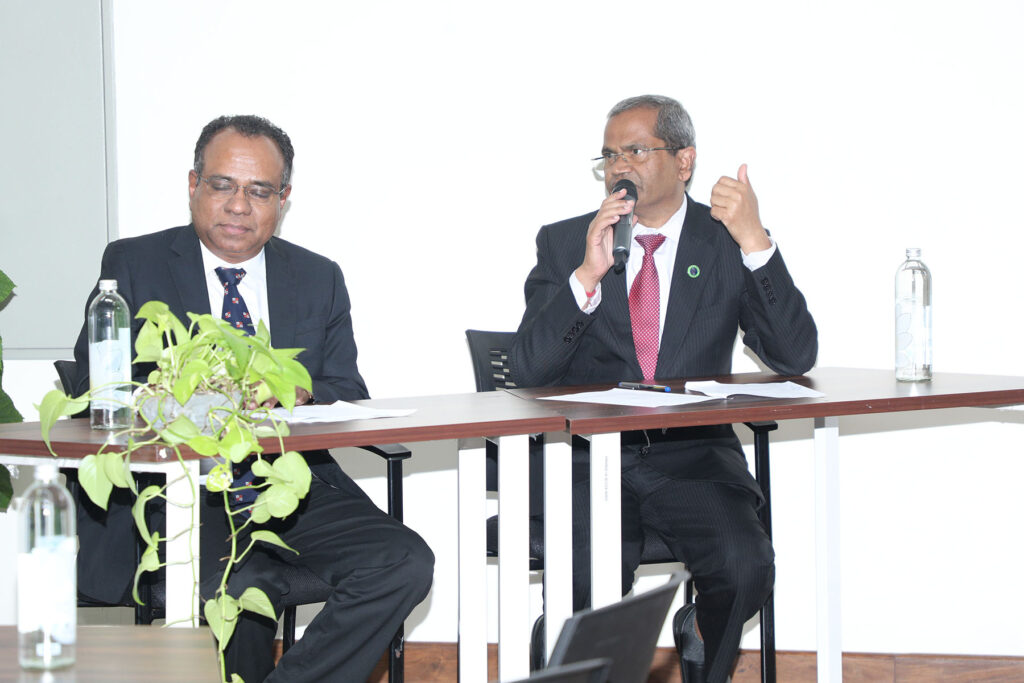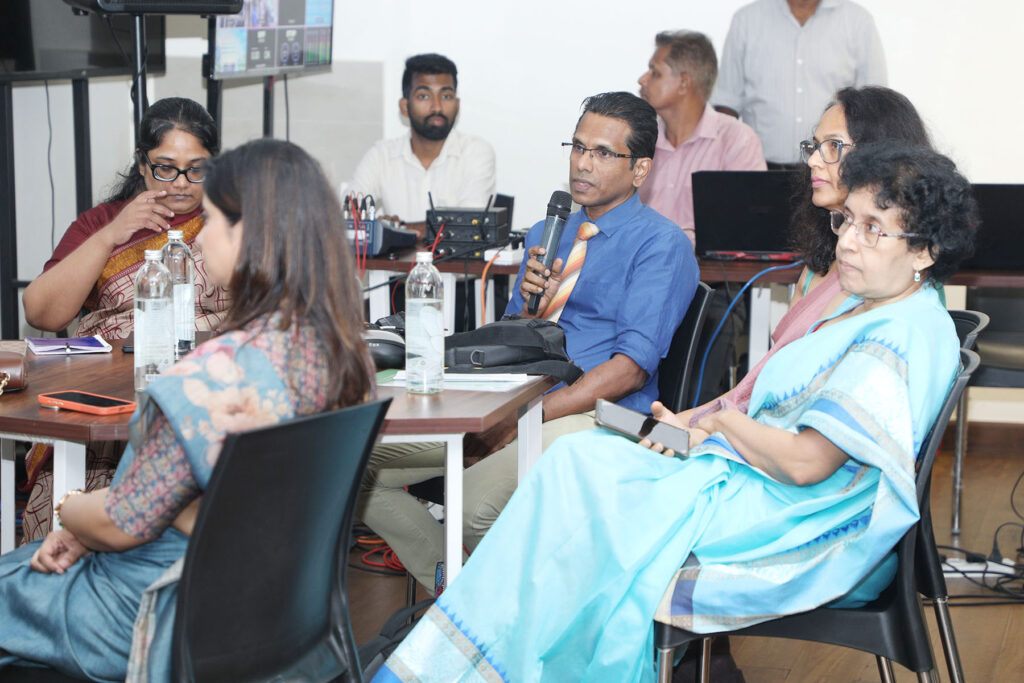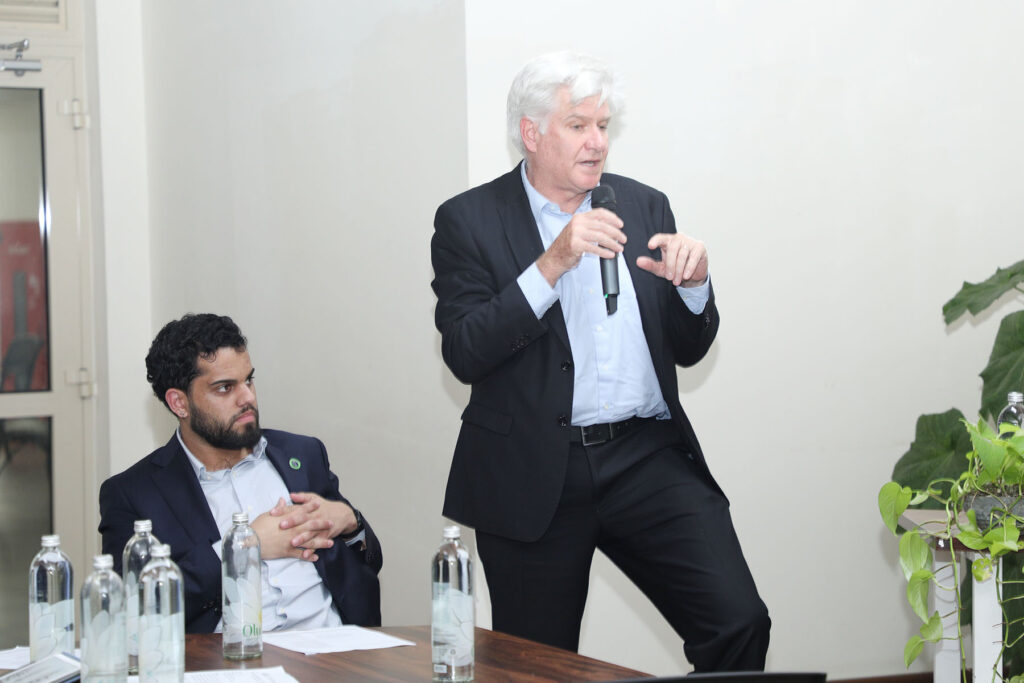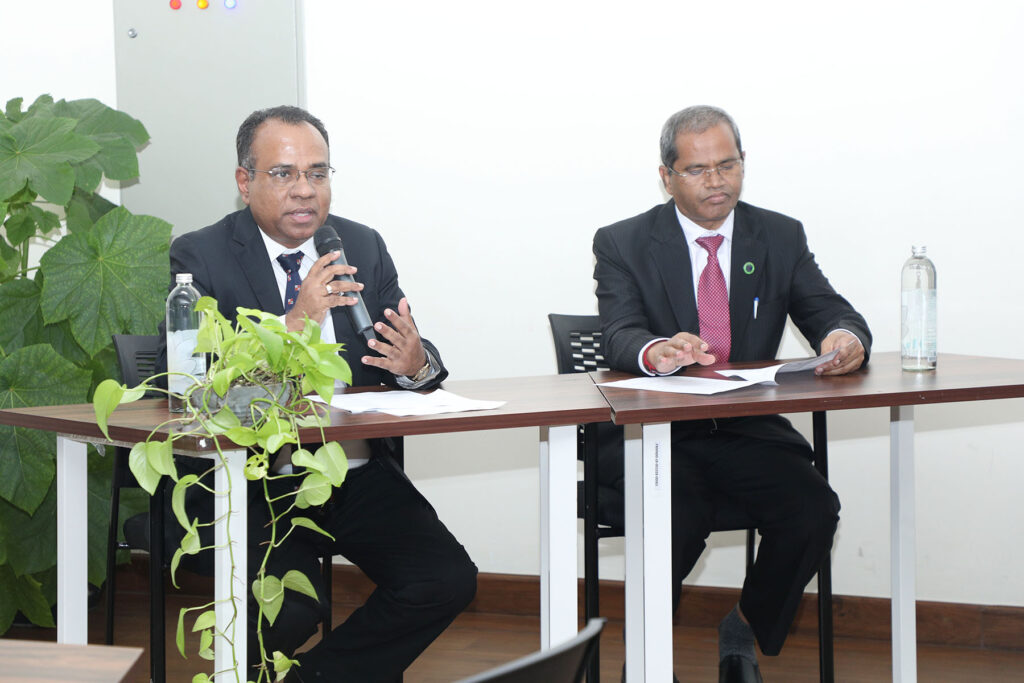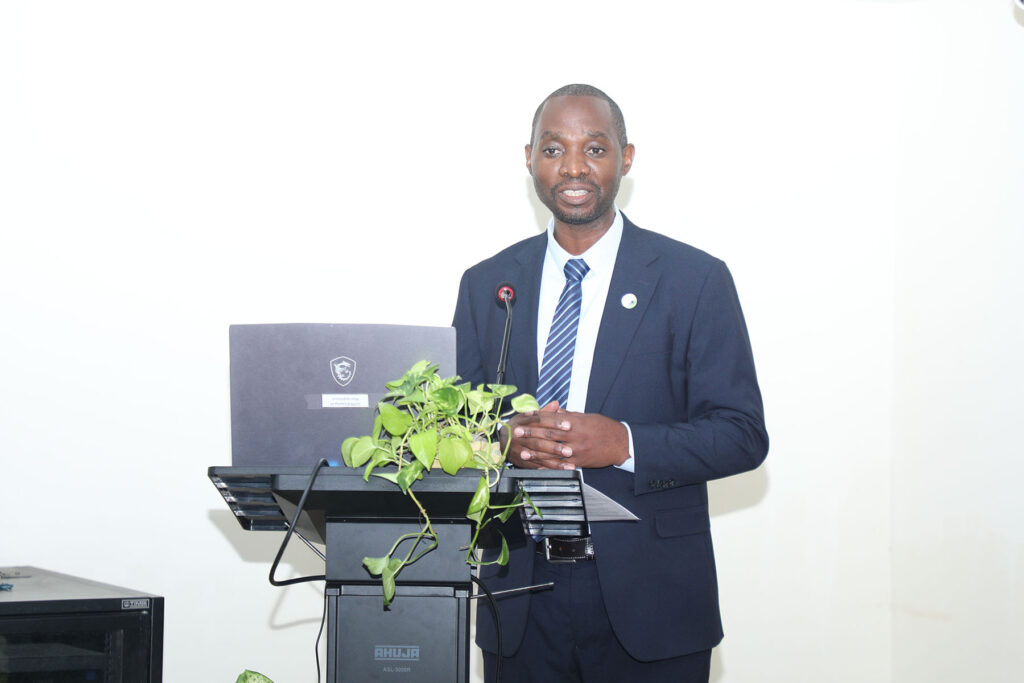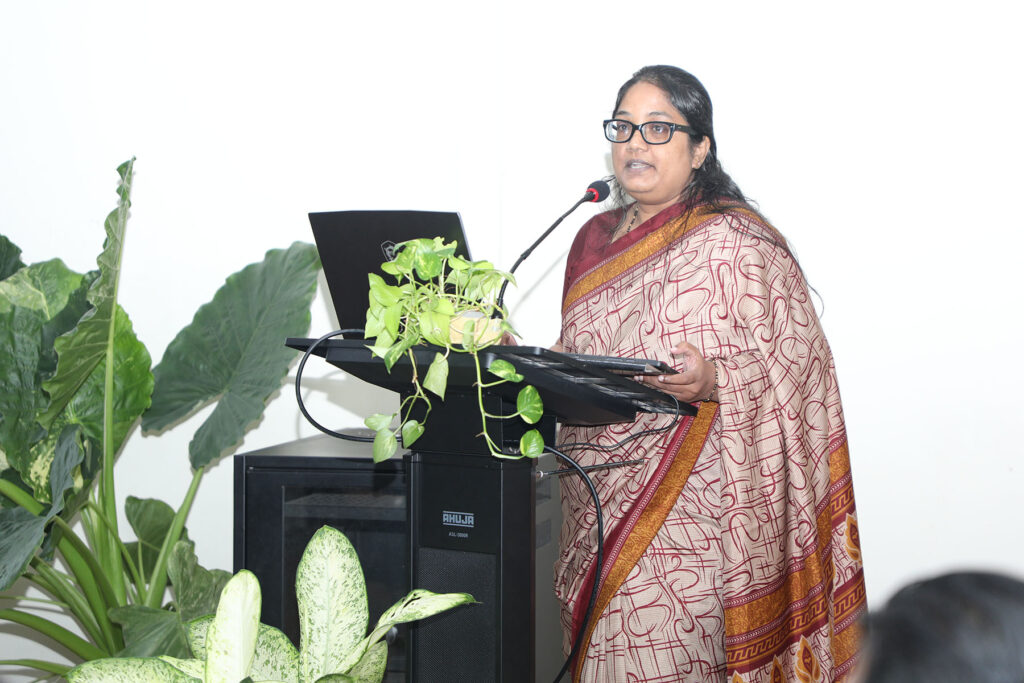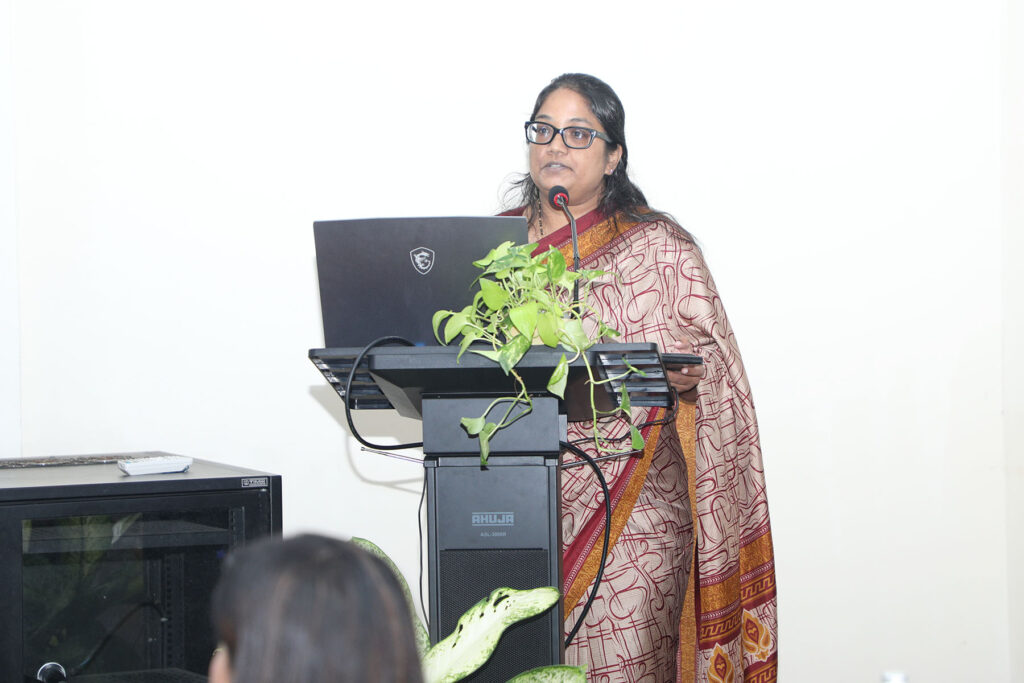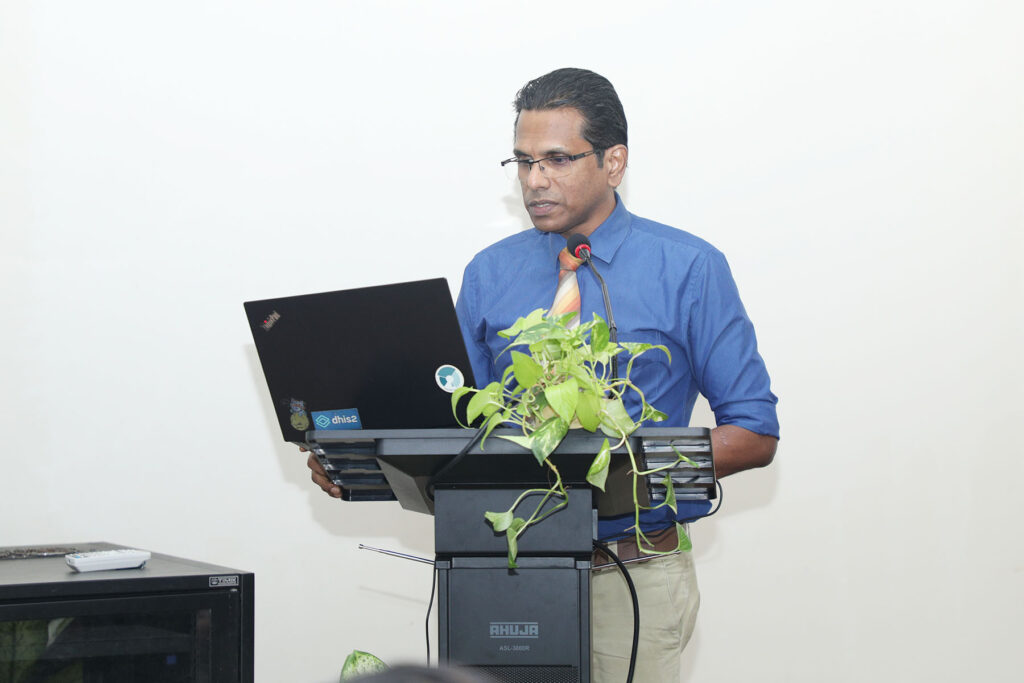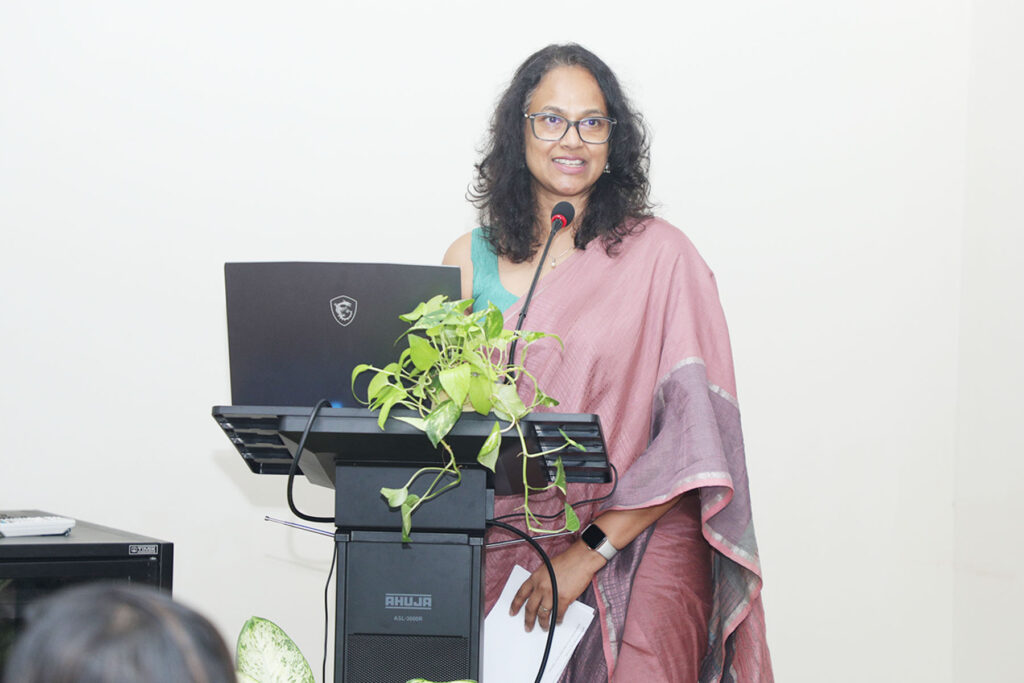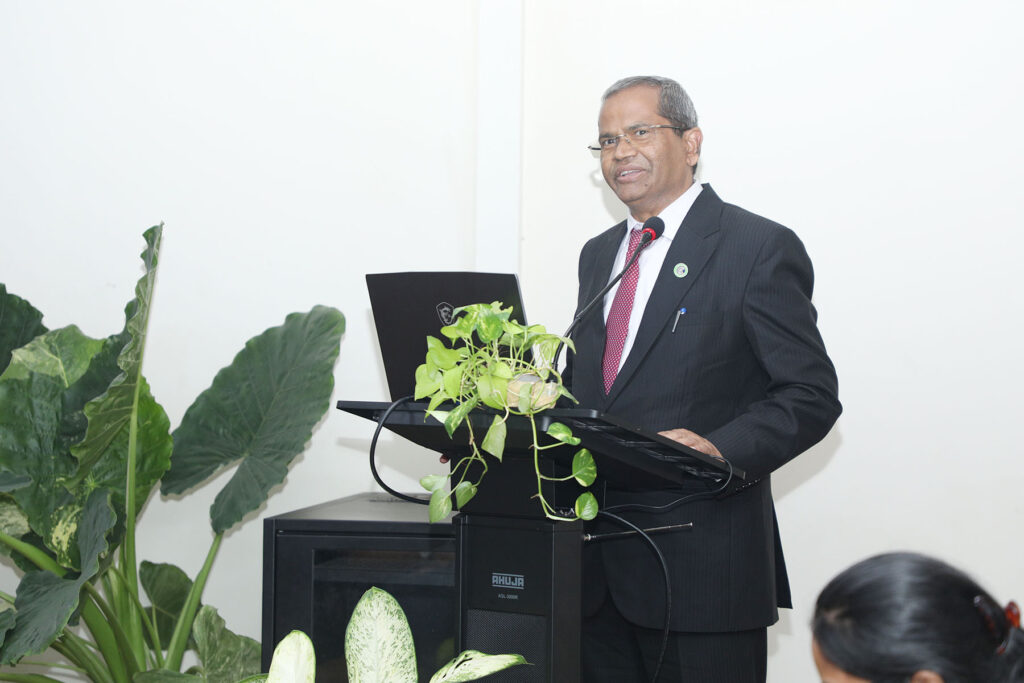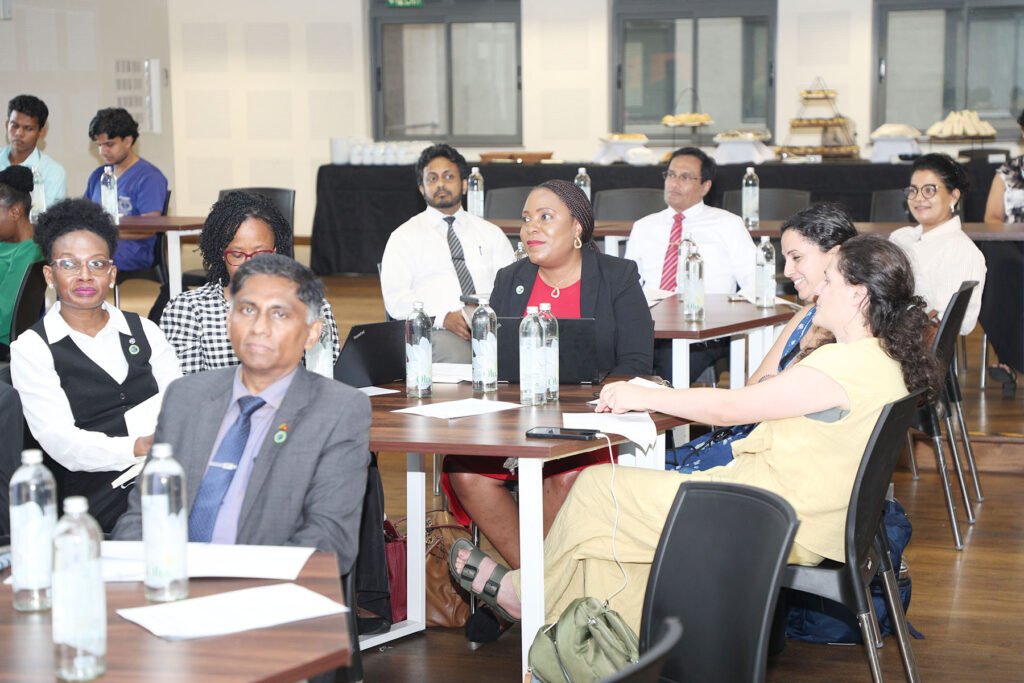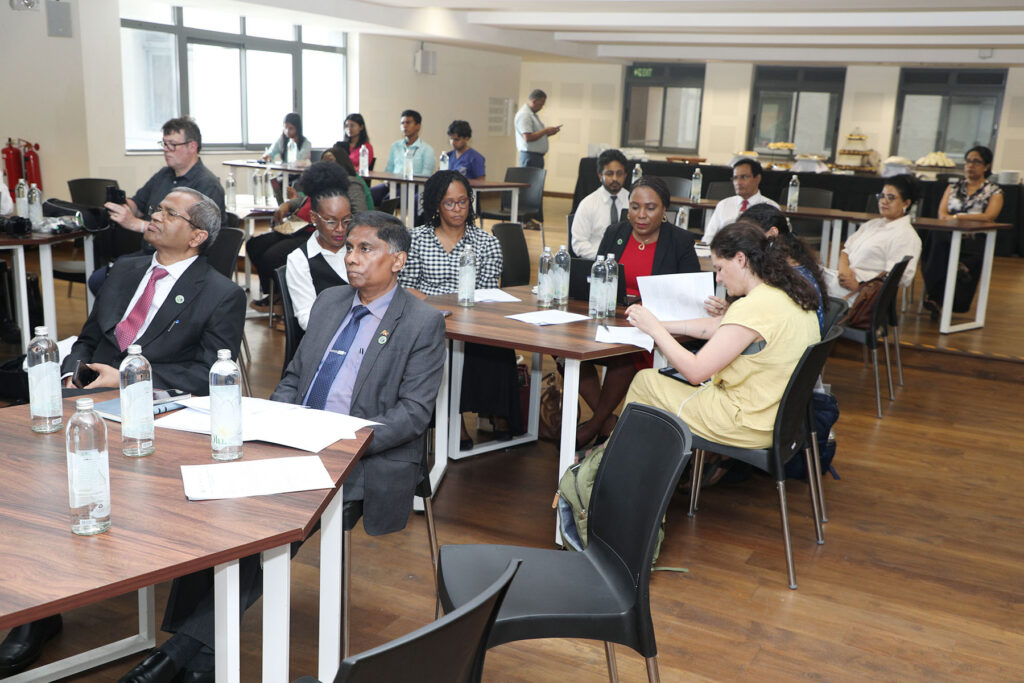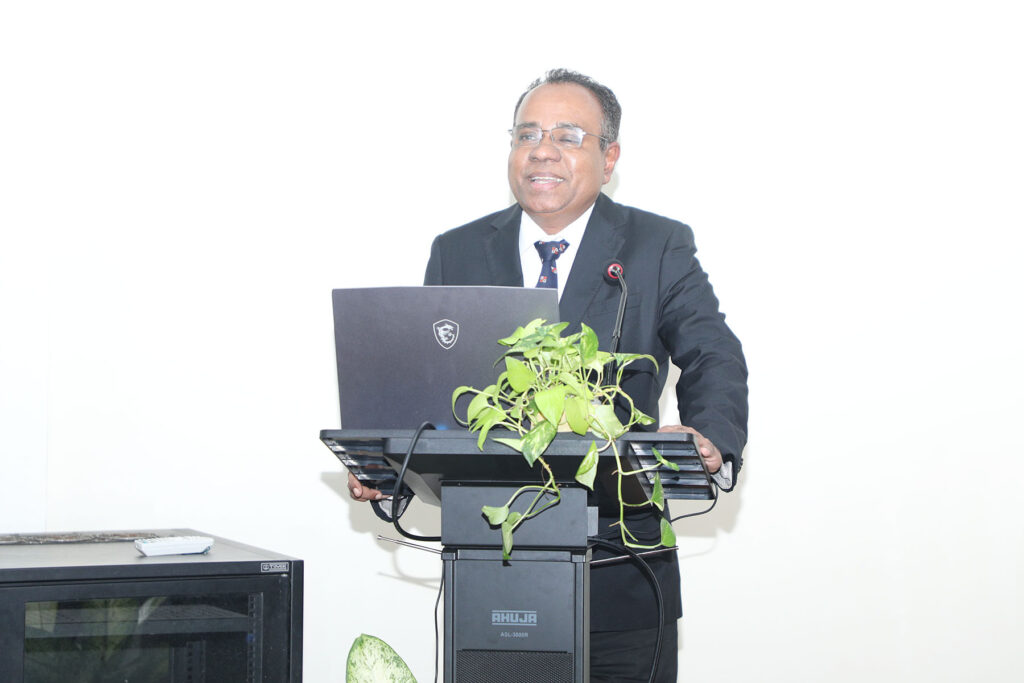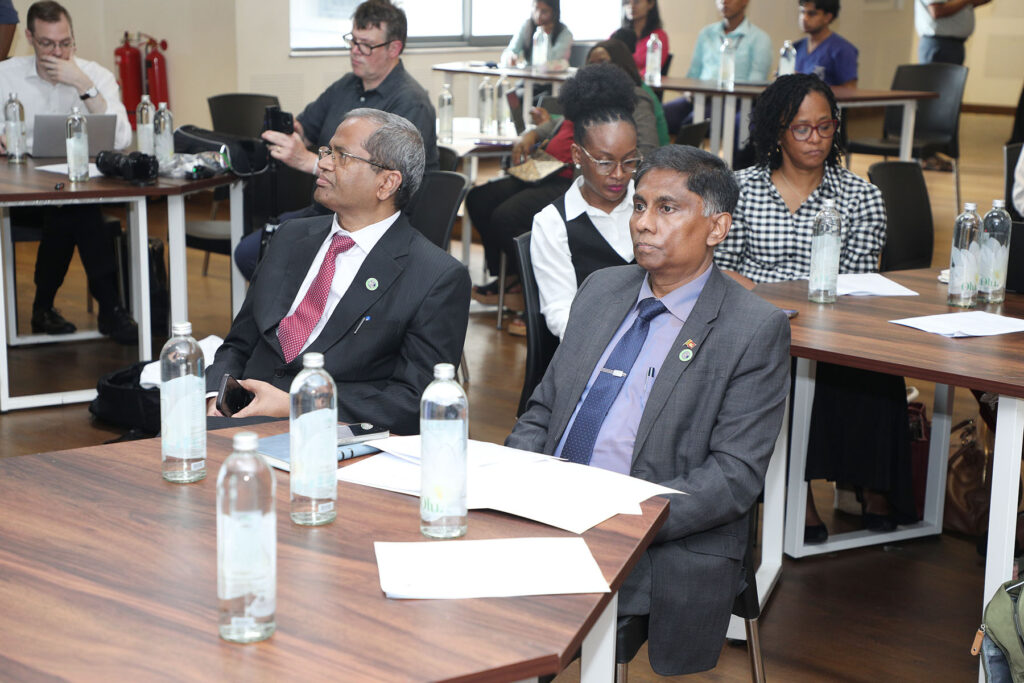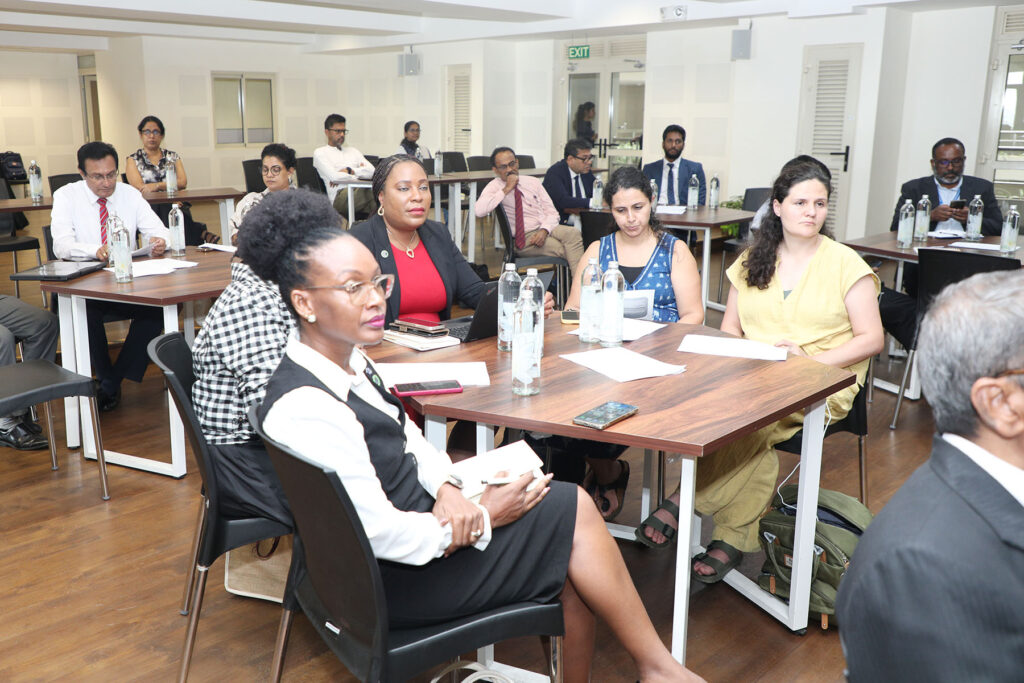
The Centre for Health Systems Policy and Innovation (CHSPI), Faculty of Medicine, University of Colombo, serves as a convening platform for evidence-informed policy dialogue, bringing together government agencies, international organizations, academia, professional bodies, development partners, civil society, industry, and youth leaders to address emerging health system challenges. Through these engagements, CHSPI promotes policy innovation, strengthens partnerships, and supports the translation of research and data into action.
The University of Colombo, Faculty of Medicine and the George Institute for Global Health in collaboration with the Ministry of Health, World Health Organization, and Asian Development Bank recently established a Centre for Health Systems Policy and Innovation (CHSPI) which aims to provide an impactful support to build better, more resilient primary health care-centred health systems, through generating evidence to inform policies, developing capacities to improve evidence-based policy and decision-making, and creating platforms to increase dialogue between key stakeholders.
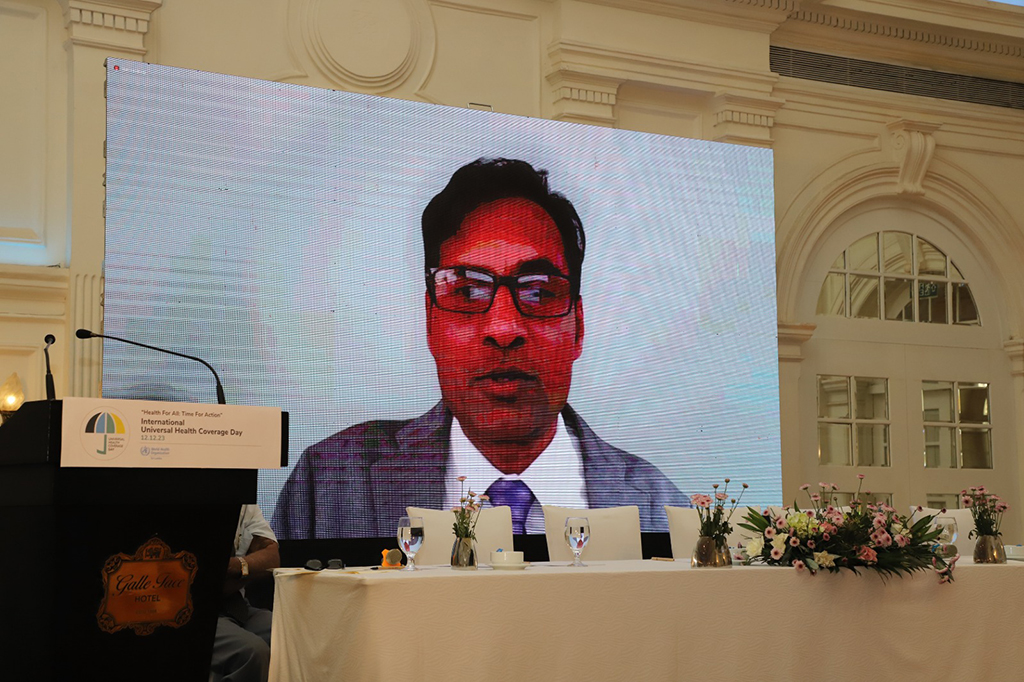
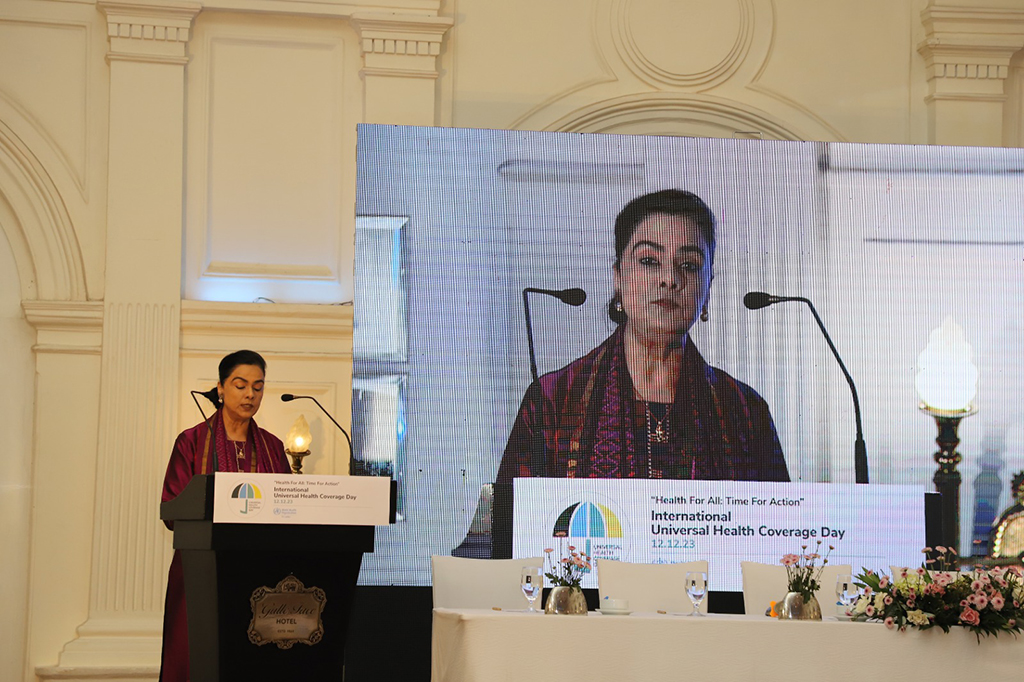
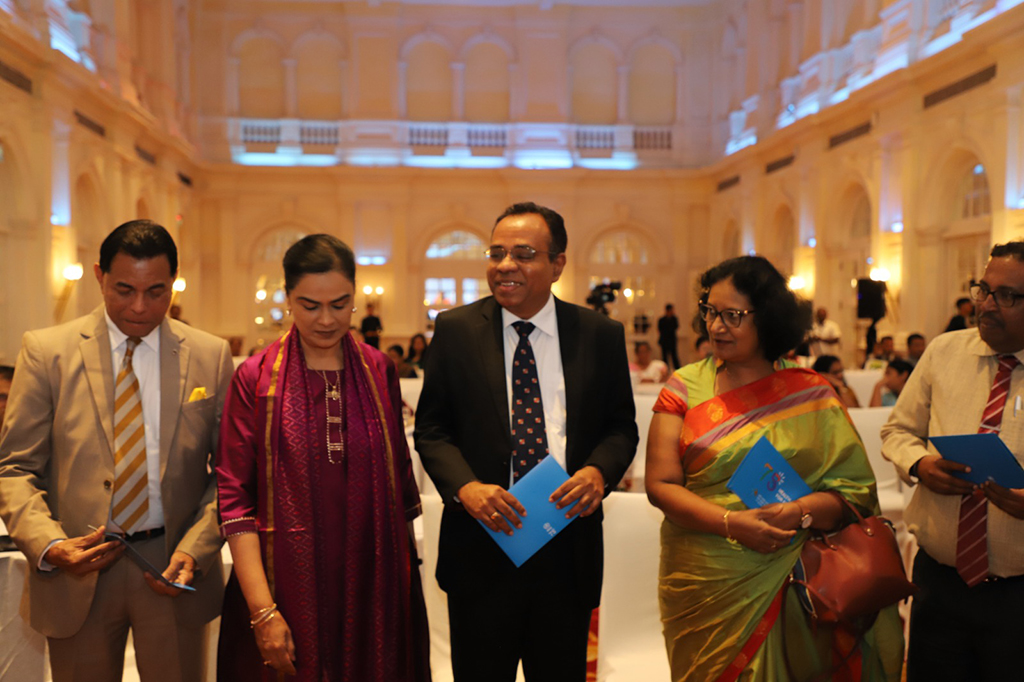
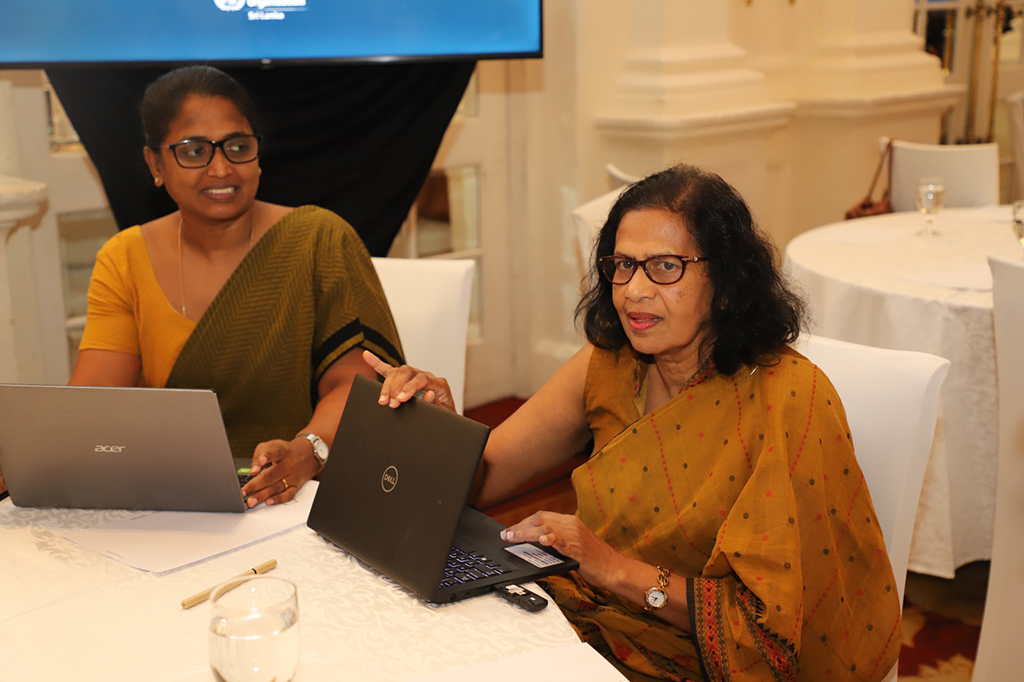
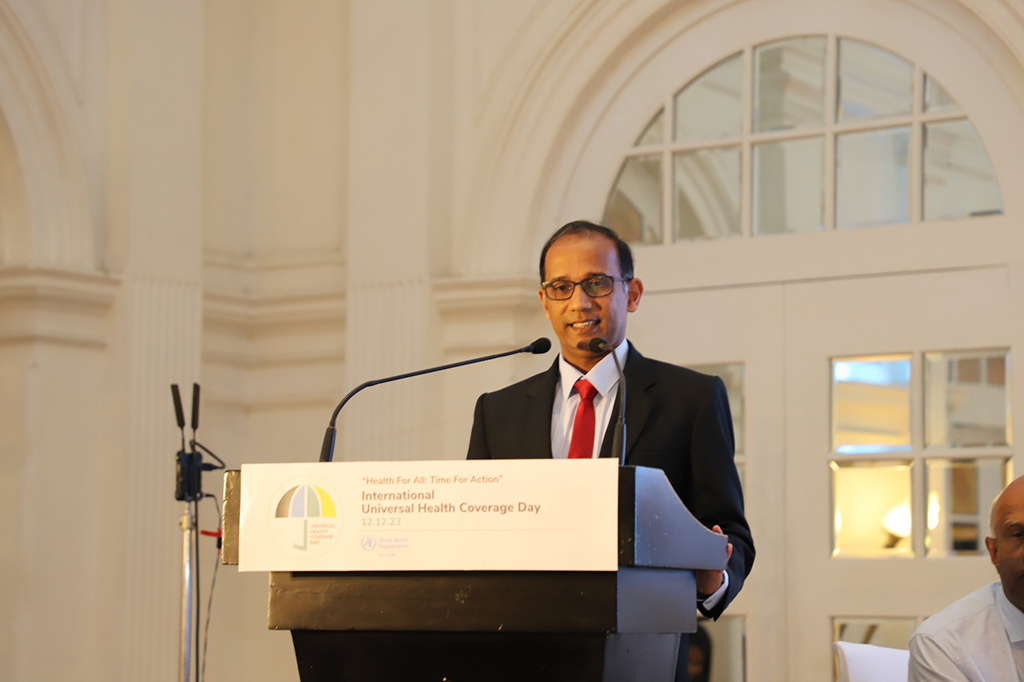
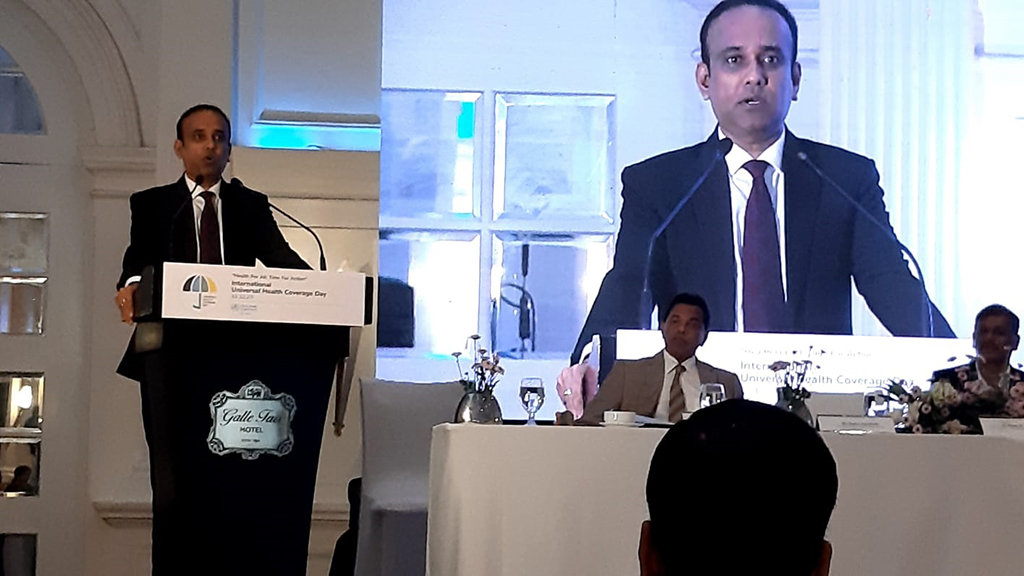
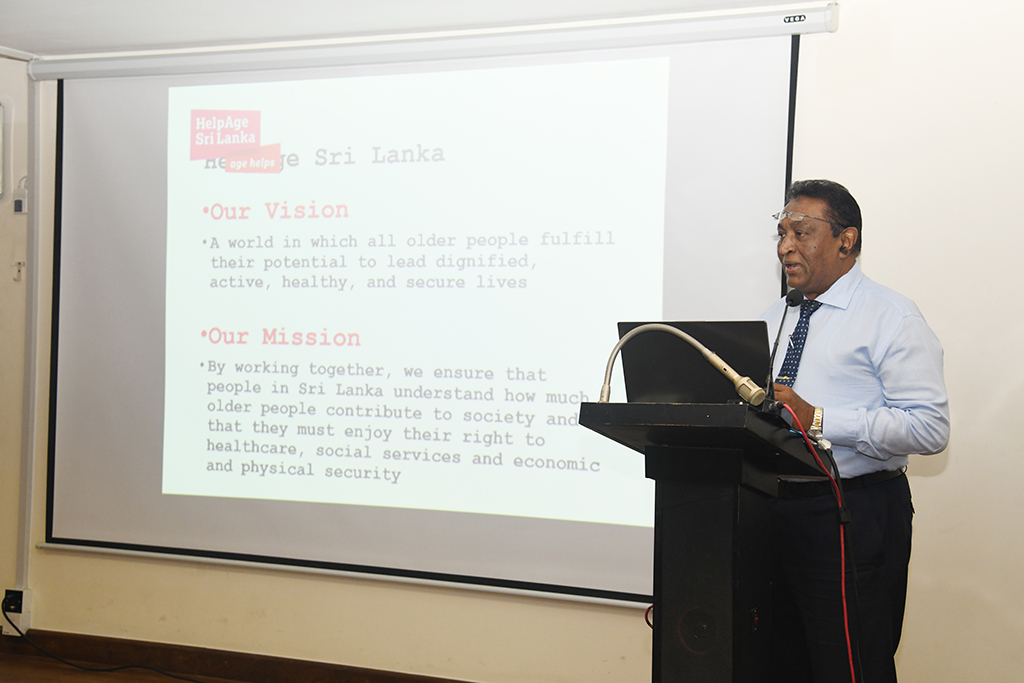
On 12th of December, 2023 the WHO organised the International Universal Health Coverage day with the participation of Hon. Minister of Health, Dr Ramesh Pathirana, along with the respective government officials and key stakeholders in the relevant fields of the country. There, Prof Upul Senarath addressed the dialogue on better care for elderly by representing the CHSPI. The aim of this dialogue was to identify rational direction for the next health policy cycle on what can be done effectively for our ageing population.
The opening remarks of the event was begun at 9.00 A.M. in Galle Face Hotel premises and continued till 3.00 P.M with a very fruitful and effective group discussion. On the same day the 75th Anniversary of WHO in Sri Lanka was celebrated with the issue of a first day stamp cover.
CHSPI is looking forward to organize more policy dialogue events in near future as a continuation of the policy dialogues


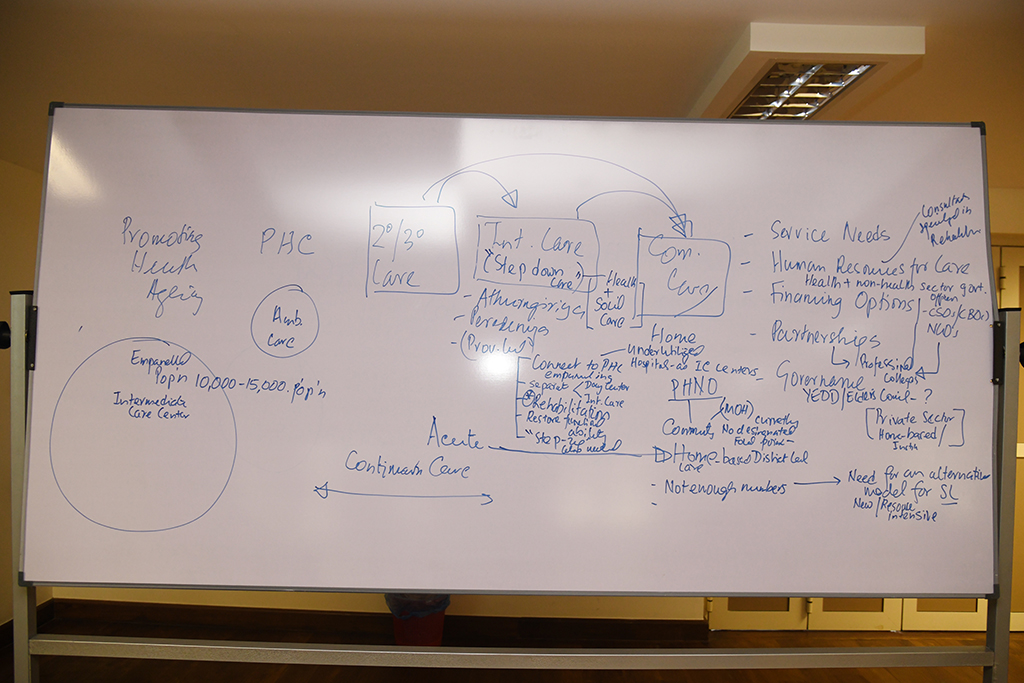
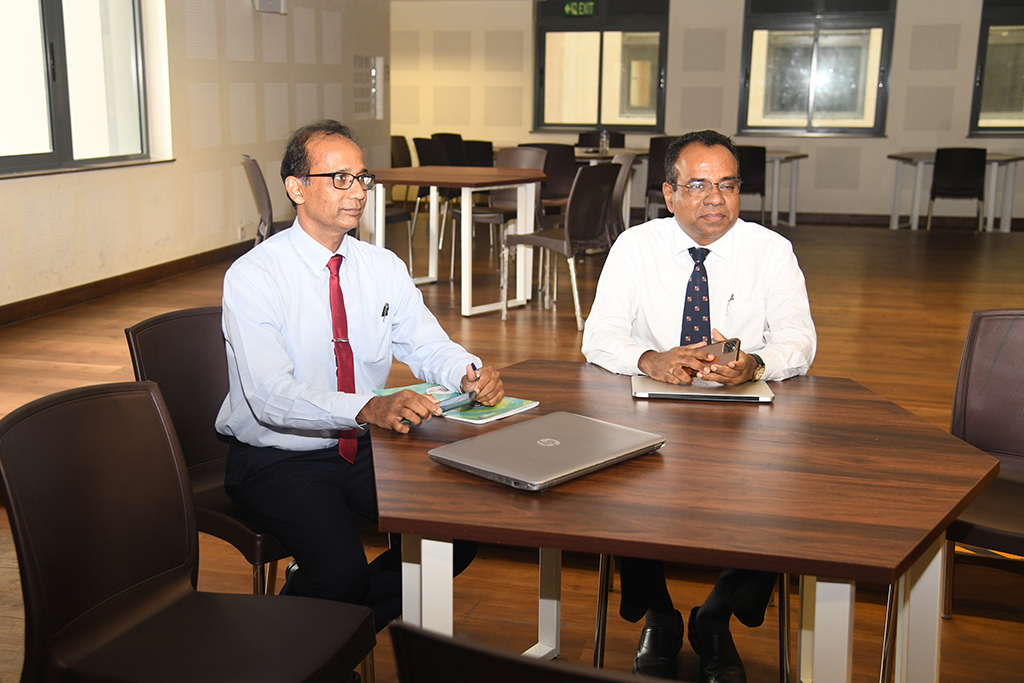
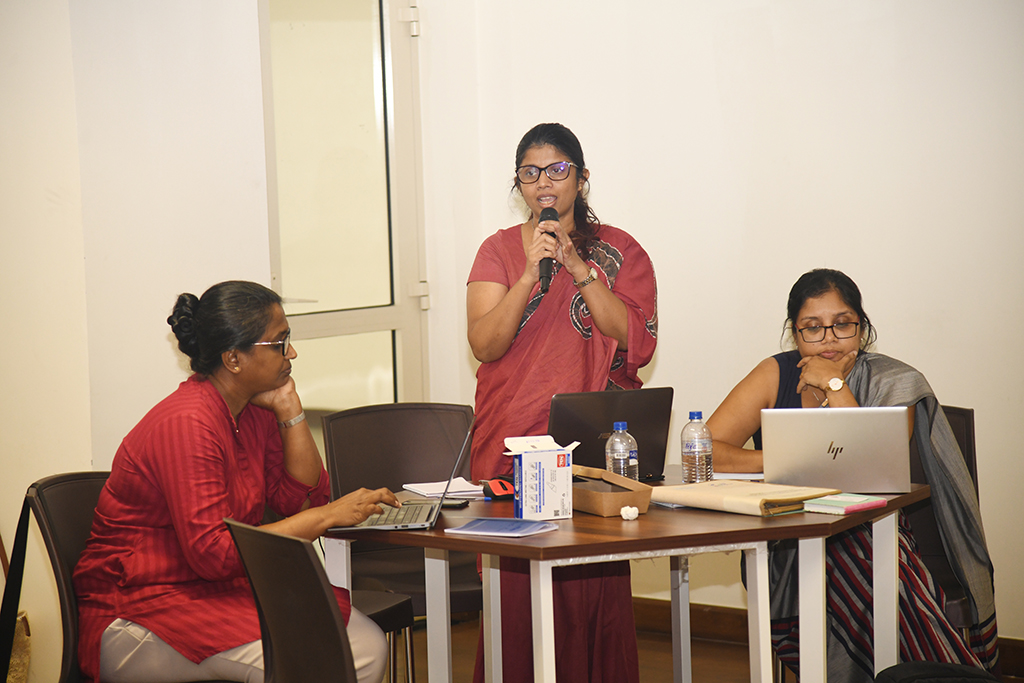
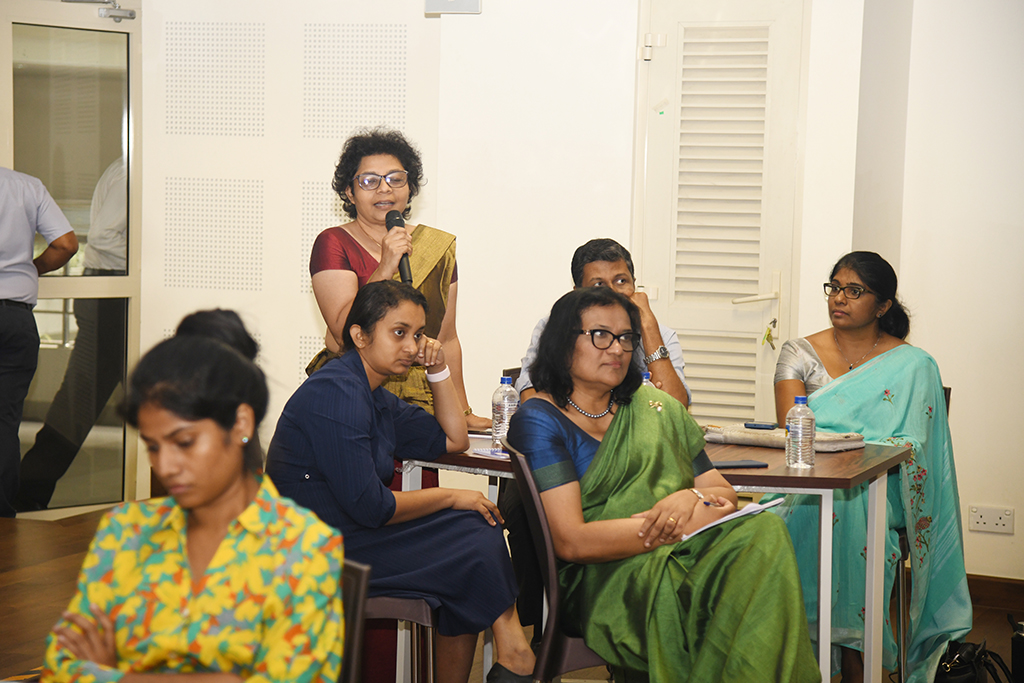
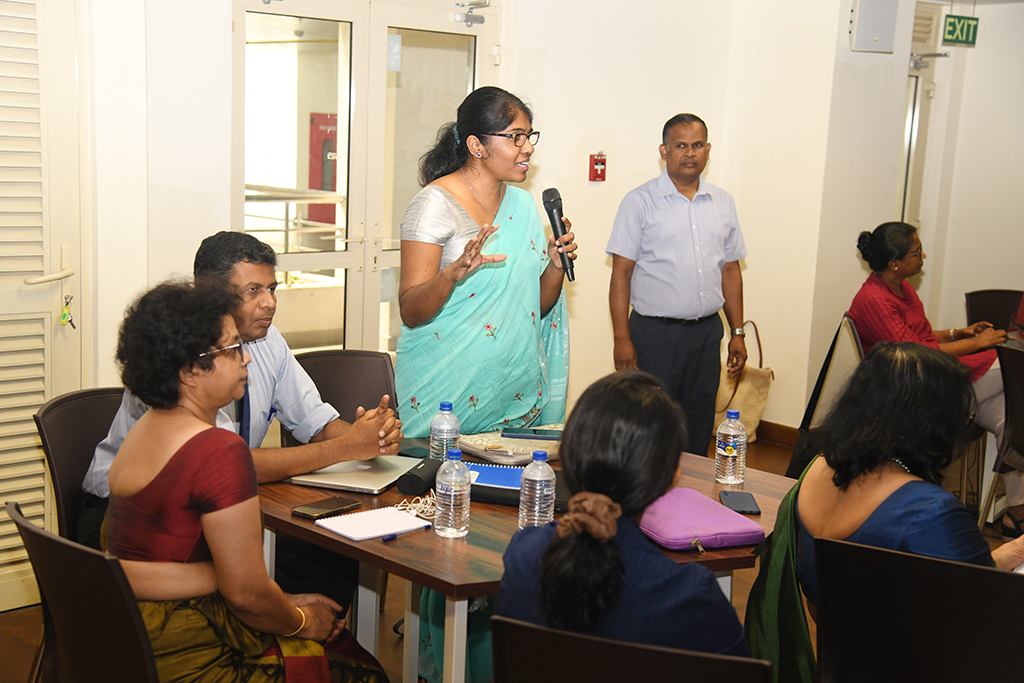
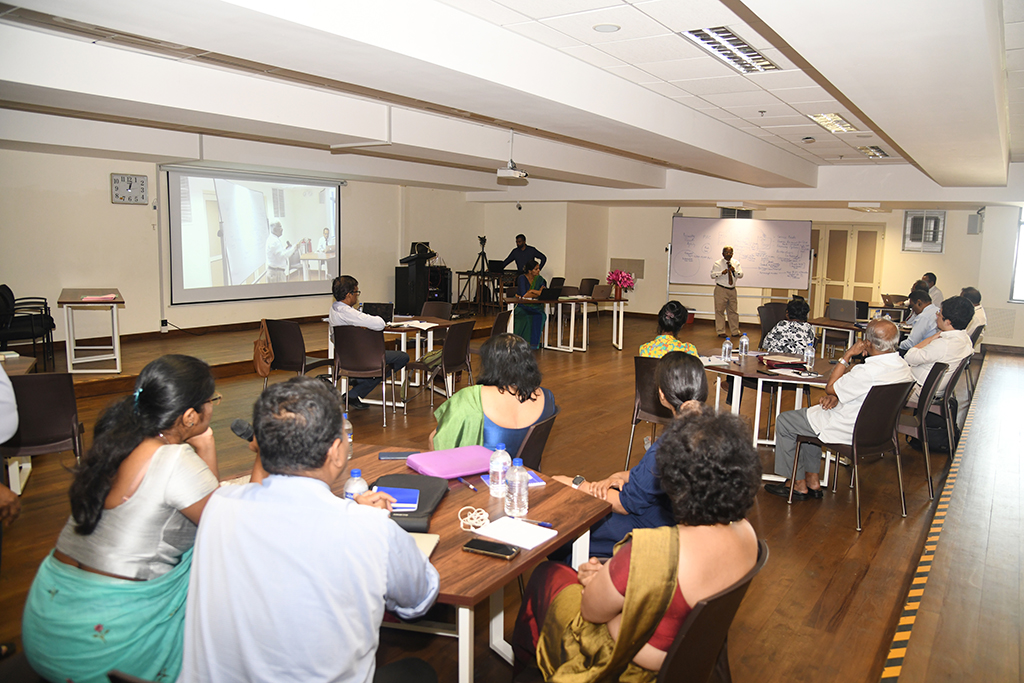
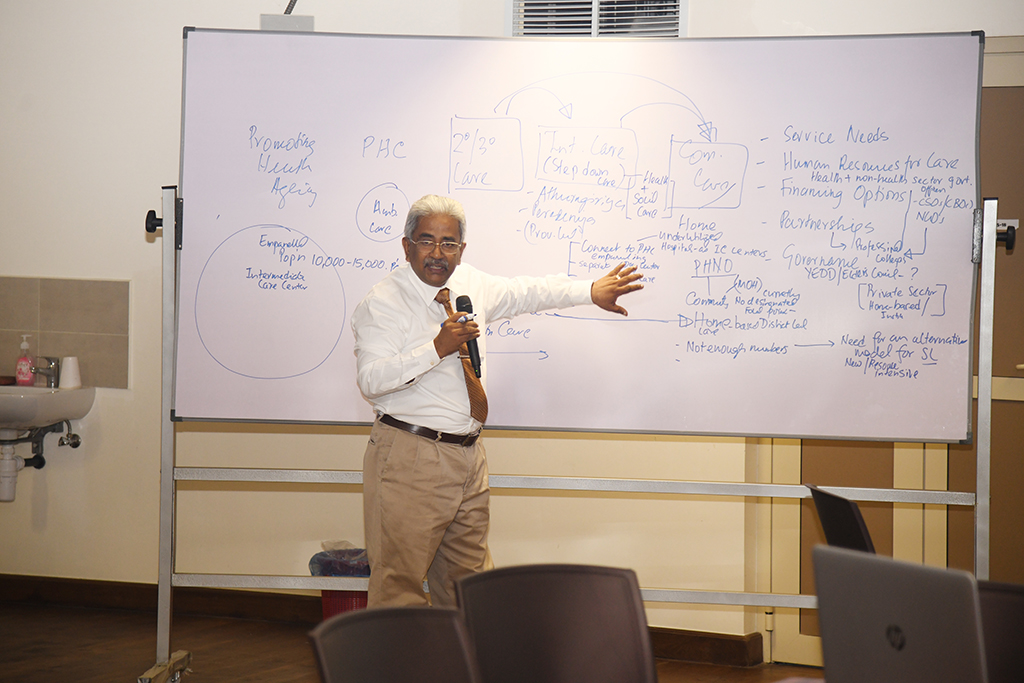
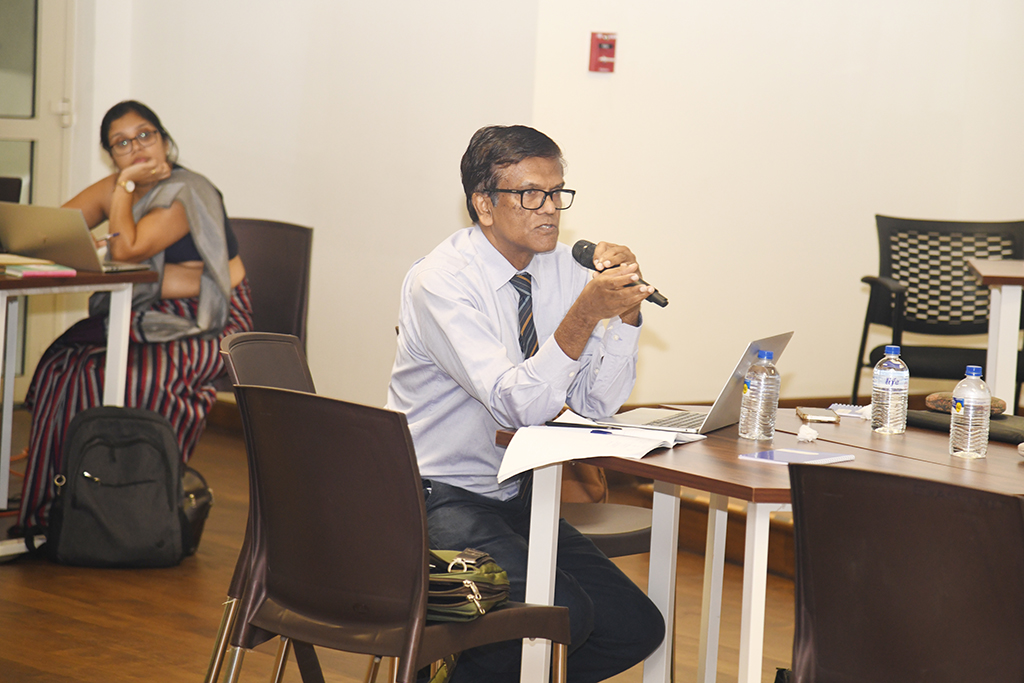
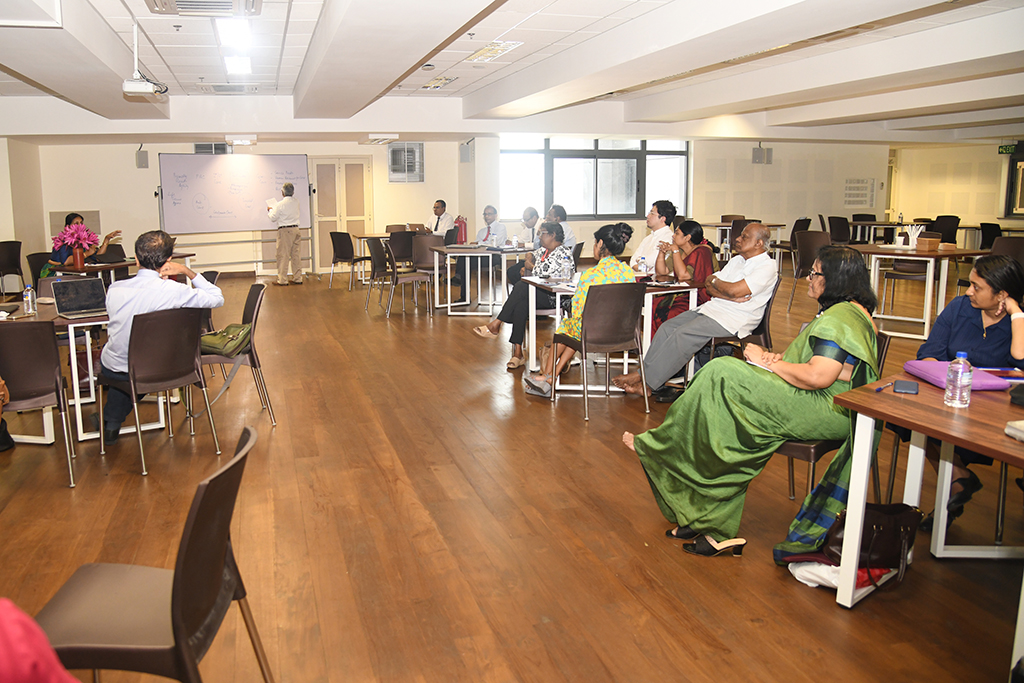
Based on the ideas generated through the last policy dialogue which was held on the 12th of December 2023, CHSPI organized its next discussion focusing on improving intermediate care for older adults through an integrated and holistic approach. The dialogue was successfully held on on the 15th February, 2024 with the participation of number of consultants in WHO and Ministry of Health and it was held from 9.00am to 2.00pm at 5th Floor of UCFM Tower, Faculty of Medicine, University of Colombo.
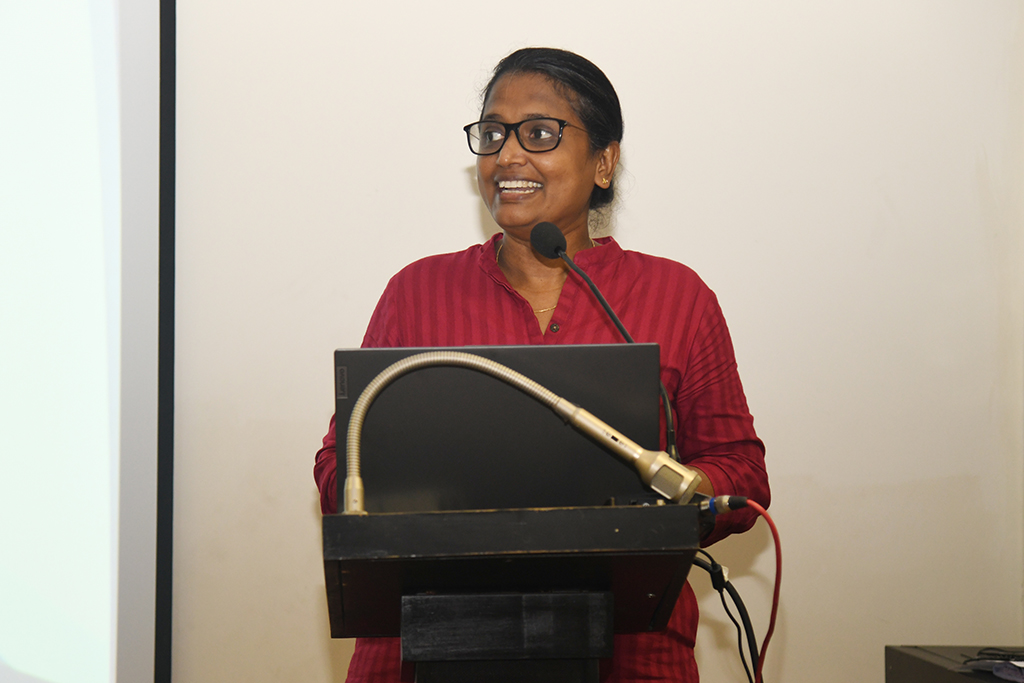
Firstly, Vidyajothi Professor Vajira Dissanayake, Dean, Faculty of Medicine, University of Colombo welcomed participants and introduced the objective of the event. Then, Prof Upul Senarath summarized the first policy dialogue and the aims of the second policy dialogue. After the tea break, under the technical inputs for the policy dialogue on intermediate care, Dr Barana Millawithana, President, Sri Lankan Association of Geriatric Medicine defined the scope of intermediate care and Intermediate care in Sri Lankan context was spoken by Dr. Chamila Dalpatadu, Consultant Physician Senior Lecturer and Director of the Ambulatory care and aged care research center, Department of Physiology, University of Colombo.
Then most important part of the session was on open discussion on intermediate care for older adults in perspectives of service needs, human resources, financing options, partnerships and governance which was conducted under the moderation of Dr. H.S.R. Perera, Consultant to the WHO and Dr. Vinya Ariyarathne, Immediate past president of the Sri Lanka Medical Association. Thereafter, the dialogue was concluded by summarizing the day and remaking the way forward.







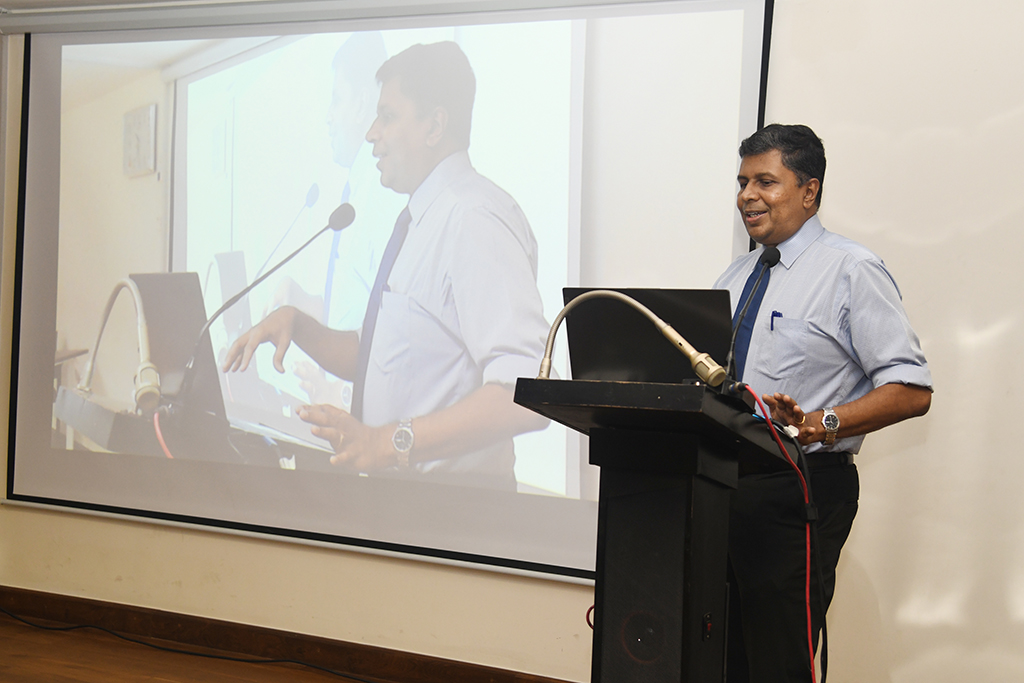

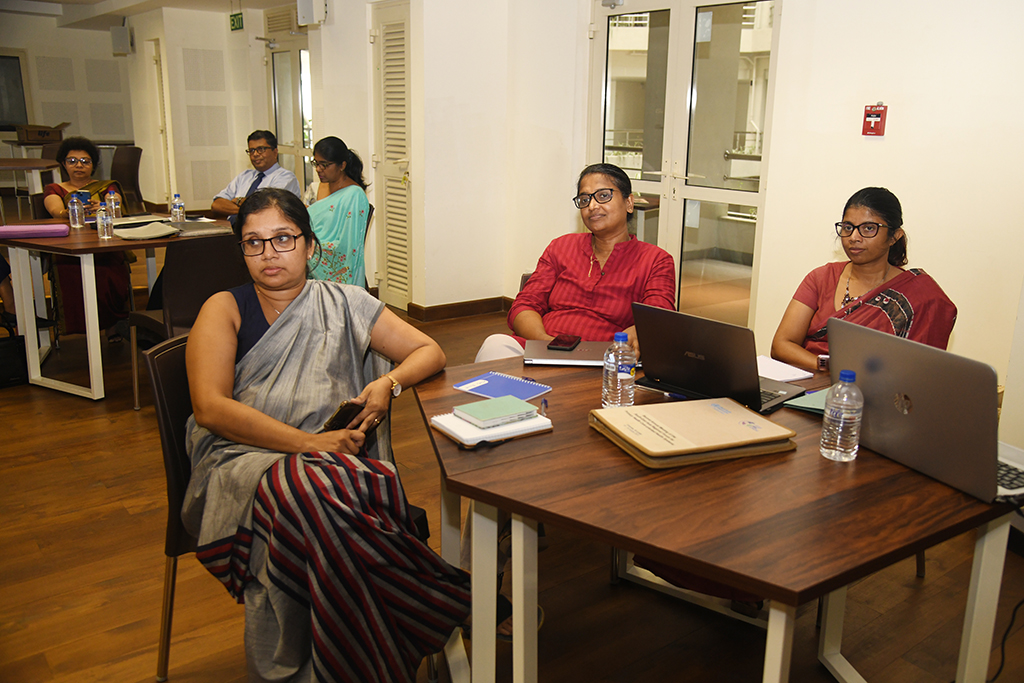


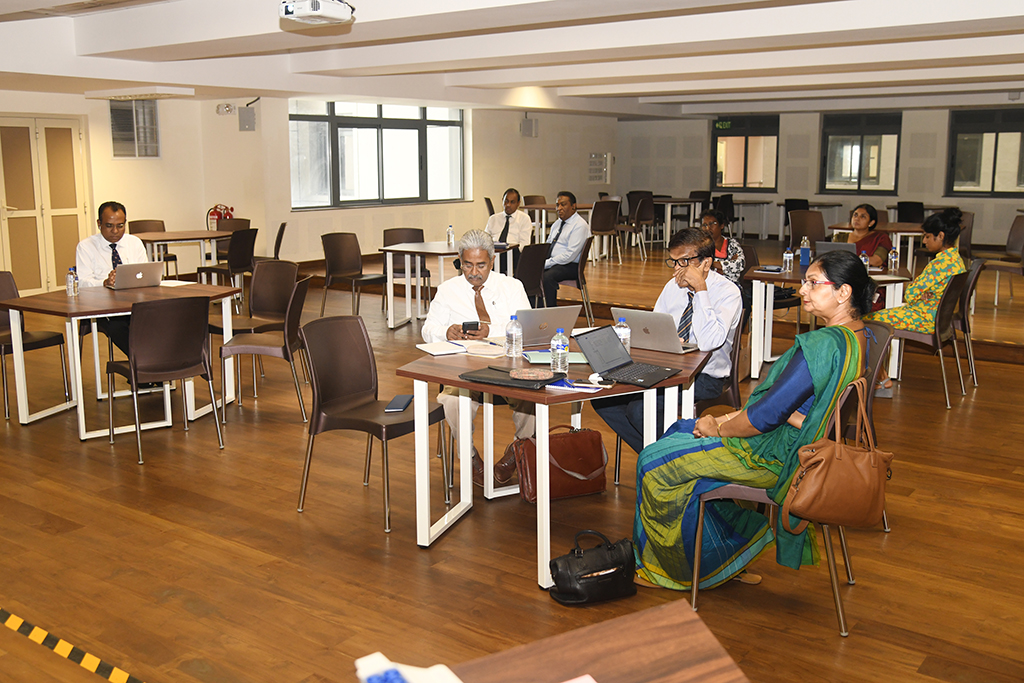

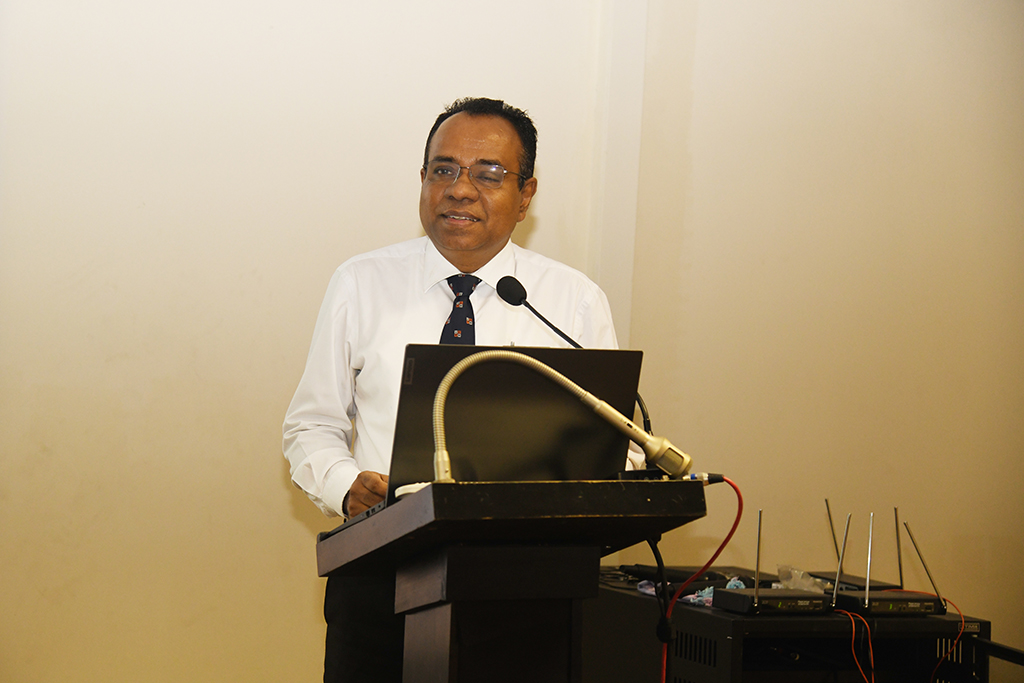
In 2025, the Faculty of Medicine, University of Colombo partnered with Médecins Sans Frontières (MSF)/Doctors Without Borders as the official academic partner for its regional engagement initiatives in South Asia. This partnership aimed to strengthen collaboration in research, education, knowledge exchange, and evidence-informed humanitarian health. Two landmark events formed the cornerstone of this collaboration: the “Dousing the Blaze: Setting Priorities for Integrated Action on Health Impacts of Climate Change” regional round table and MSF Scientific Days – Asia 2025. Together, these events brought researchers, policymakers, healthcare professionals, humanitarian practitioners, and community representatives together to advance innovative, collaborative, and people centered solutions to emerging health challenges across the region.
Dousing the Blaze: South Asia Strengthens Regional Collaboration on Climate and Health
Médecins Sans Frontières (MSF)/Doctors Without Borders convened the regional round table, “Dousing the Blaze: Setting Priorities for Integrated Action on Health Impacts of Climate Change,” on 21st – 22nd April 2025 in Colombo, Sri Lanka. The event brought together more than 60 experts, policymakers, researchers, healthcare professionals, humanitarian organisations, and community leaders from across South Asia to strengthen regional collaboration in addressing the growing health impacts of climate change.
The opening session featured remarks from Farhat Mantoo, Executive Director of MSF South Asia, Dr. Asela Gunawardena, Director General of Health Services, Ministry of Health, Sri Lanka, and Professor Vajira H.W. Dissanayake, Dean of the Faculty of Medicine, University of Colombo. The keynote address by Dr. Meisam Tabatabaei, Lead Collaborator of The Lancet Countdown on Health and Climate Change, highlighted the urgent need for coordinated regional action to build climate-resilient health systems.
Over two days, participants engaged in expert discussions on extreme weather events, health system resilience, governance and regulatory frameworks, climate finance, community engagement, and the disproportionate impact of climate change on vulnerable populations. The programme brought together representatives from the Ministry of Health, Sri Lanka, Faculty of Medicine, University of Colombo, Climate Change Secretariat, Department of Meteorology, Public Health Foundation of India, National Centre for Disease Control (India), UN Women, UNICEF Pakistan, Sarvodaya Shramadana Movement, and several academic, humanitarian, and civil society organisations across South Asia.
Interactive sessions also showcased innovative climate-health solutions from organisations including DNDi, SELCO Foundation, Sangath, Thanal, and Sarvodaya, highlighting practical approaches to strengthening resilience in climate-vulnerable communities.
Key Outcomes
• Establishment of a South Asian Climate and Health Expert Working Group to strengthen regional collaboration.
• Development of a Climate and Health Position Paper to inform discussions ahead of COP30.
• Creation of a regional repository of climate-health research and best practices to support evidence-informed policymaking.
• Commitment to a regional advocacy network promoting climate-responsive health policies.
• Agreement to develop a community mobilisation framework to amplify local voices and strengthen community resilience.
The roundtable concluded with a shared commitment to advancing evidence-based, equitable, and sustainable climate-health solutions through continued regional collaboration. By bringing together governments, academia, humanitarian organisations, development partners, and community representatives, “Dousing the Blaze” established an important platform for collective action towards more resilient health systems across South Asia.
The event was also featured in the media. Read the full article here:
MSF hosts Climate Health Roundtable, establishes regional expert working group
MSF Scientific Days – Asia 2025: Advancing Humanitarian Research Through Community Voices and Innovation
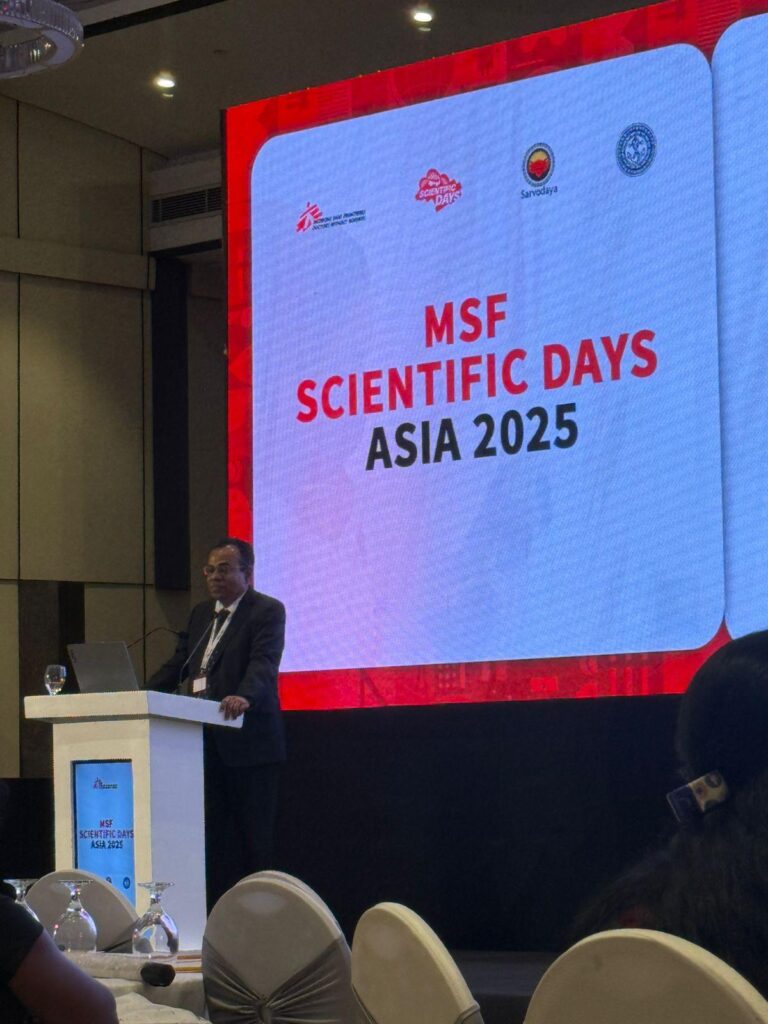
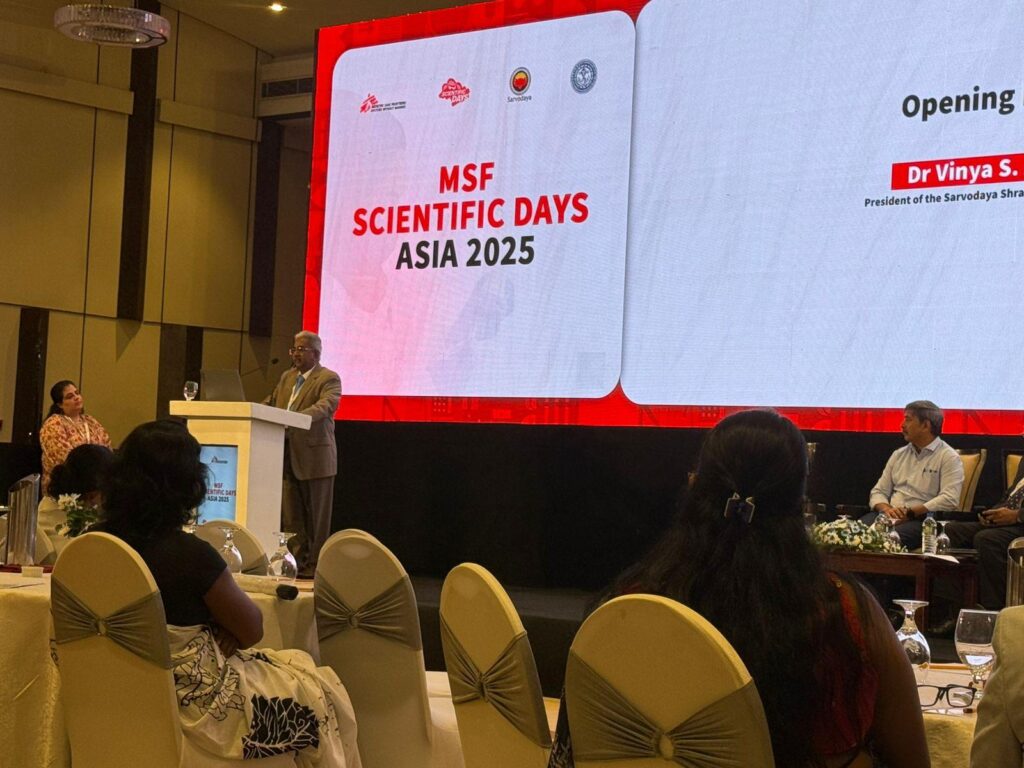
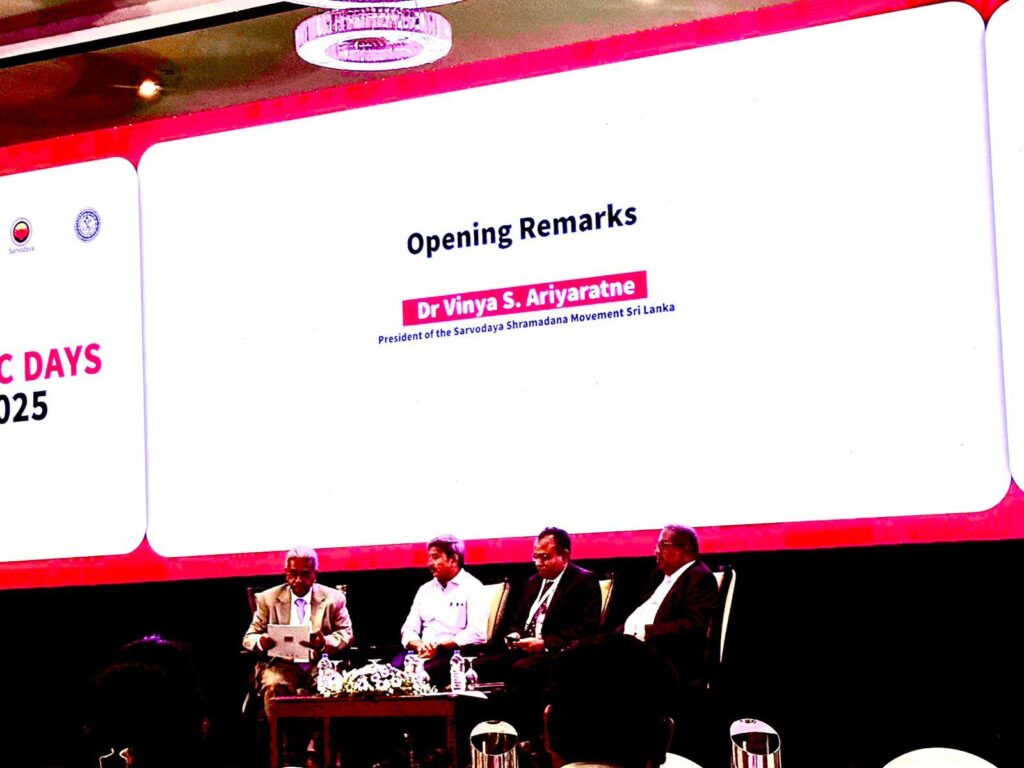
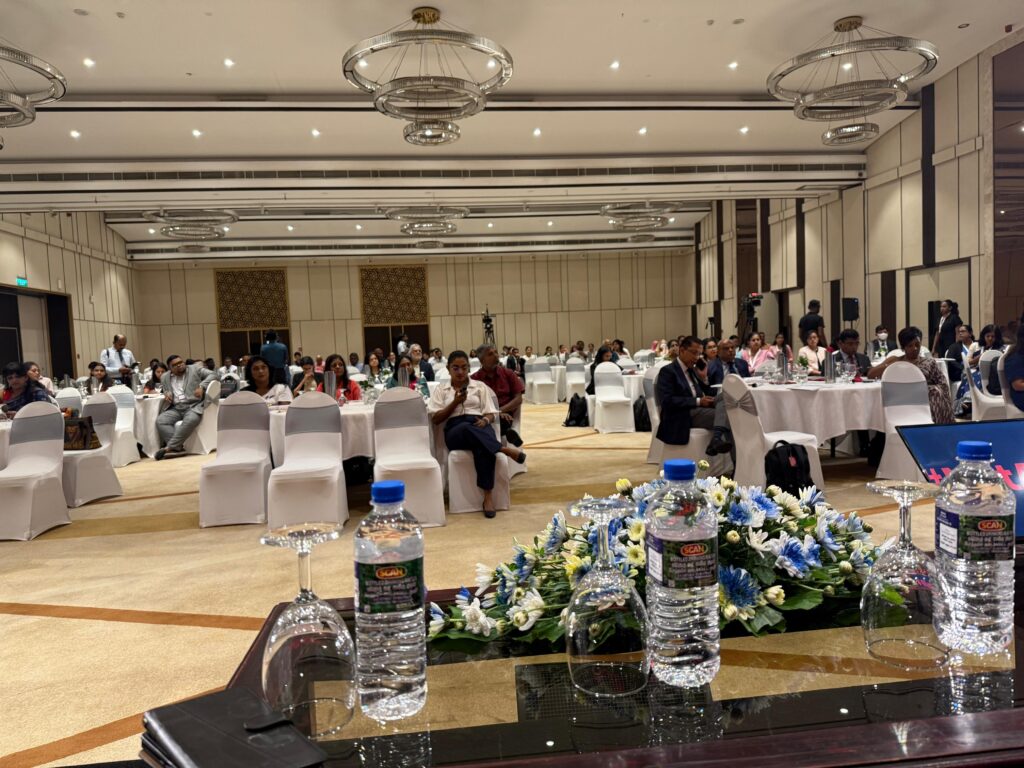
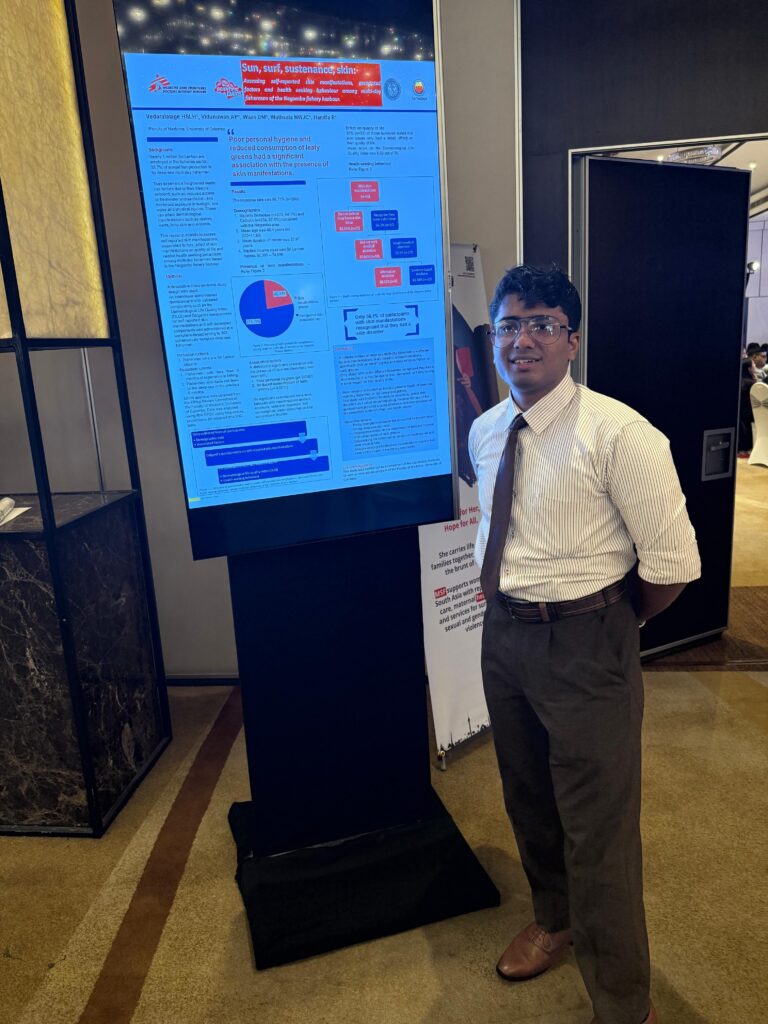
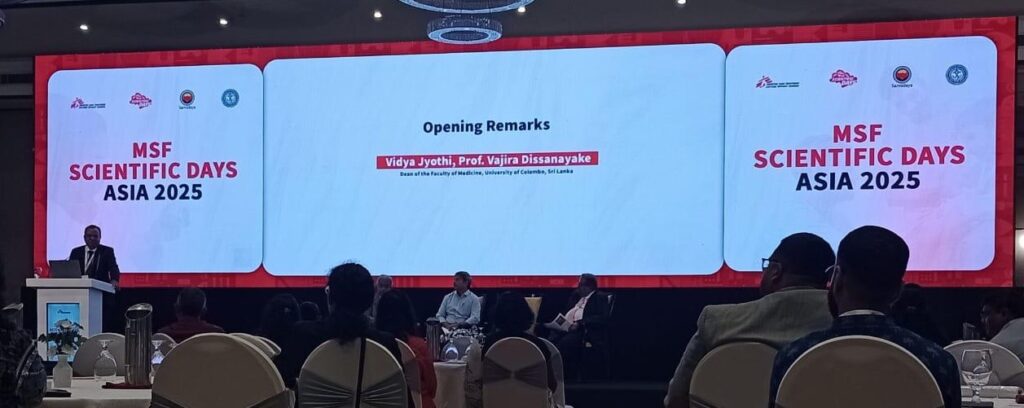
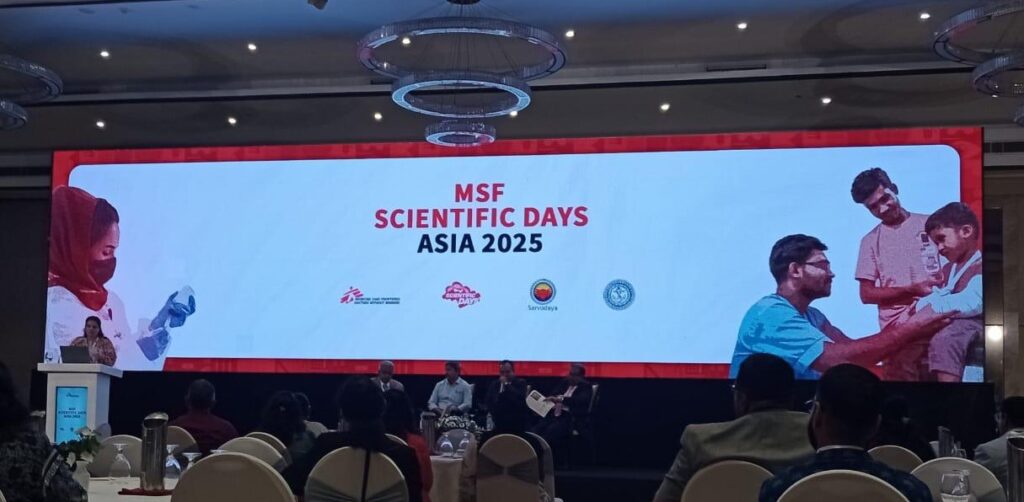
Médecins Sans Frontières (MSF)/Doctors Without Borders successfully hosted MSF Scientific Days – Asia 2025 on 19 September 2025 at the Galadari Hotel, Colombo, Sri Lanka. Organised in collaboration with the Faculty of Medicine, University of Colombo as the academic partner and the Sarvodaya Shramadana Movement as the community partner, the hybrid conference brought together researchers, healthcare professionals, humanitarian practitioners, policymakers, and community representatives from across Asia and beyond.
Held under the theme “Co-Creating Health: Listening, Learning, Leading – Community Voices in Healthcare Innovation,” the conference showcased operational research, innovative solutions, and field experiences from humanitarian and public health programmes while placing community voices and lived experiences at the centre of scientific dialogue.
The event attracted over 200 in-person participants, 1,893 online participants from 80 countries, and featured 134 research abstracts and 57 presentations through oral sessions, posters, exhibitions, and innovation showcases. Discussions focused on humanitarian health priorities including infectious diseases, climate and health, mental health, health systems strengthening, digital health, maternal and child health, and community-centred healthcare.
A unique feature of this year’s conference was the inclusion of Exhibition and Innovation categories, which complemented scientific presentations by showcasing patient stories, operational innovations, and scalable healthcare solutions. These interactive sessions demonstrated how research, creativity, and lived experience can work together to improve healthcare delivery in humanitarian and resource-limited settings.
Key Outcomes
• Strengthened regional collaboration among researchers, humanitarian organisations, healthcare professionals, policymakers, and community partners.
• Elevated community voices and frontline experiences as essential components of humanitarian research.
• Showcased practical, context-driven innovations to improve healthcare delivery in crisis-affected and resource-limited settings.
• Promoted South-to-South knowledge exchange and new opportunities for regional collaboration.
• Reinforced MSF’s commitment to translating research and innovation into evidence-informed humanitarian policy and practice.
MSF Scientific Days – Asia 2025 concluded with a shared commitment to advancing equitable, people-centred, and evidence-informed humanitarian healthcare. By bringing together science, innovation, and community perspectives, the conference strengthened regional partnerships and established a valuable platform for continued collaboration to address emerging health challenges across Asia.
CHSPI convened a national stakeholder consultation to contribute Sri Lankan perspectives to the development of a Global Reference Framework on Health Data Governance led through the Health Data Collaborative’s Digital and Data Governance Working Group.
The consultation brought together policymakers, health informatics experts, digital health practitioners, and development partners to examine the governance requirements necessary to support trustworthy, equitable, and responsible use of health data in an increasingly digital world. Discussions explored governance across the entire data lifecycle, including data collection, storage, sharing, protection, stewardship, and secondary use, with particular attention to the opportunities and challenges presented by artificial intelligence and advanced analytics.
Technical sessions were led by Professor Pandula Siribaddana (WHO Consultant) and Dr. Pradeep Sylva (Consultant in Health Informatics, Ministry of Health), who guided deliberations on key framework components, implementation considerations, and priorities for low- and middle-income countries.
The consultation contributed recommendations towards a global governance framework designed to support countries in strengthening data quality, data sovereignty, privacy protection, interoperability, and ethical data use while advancing Universal Health Coverage and the Sustainable Development Goals.
Partners: Health Data Collaborative Digital and Data Governance Working Group (HDC-DDG), World Health Organization, Ministry of Health, Sri Lanka.
Key Outcome: National stakeholder inputs to inform the development of a global reference framework for health data governance and responsible AI-enabled health systems.
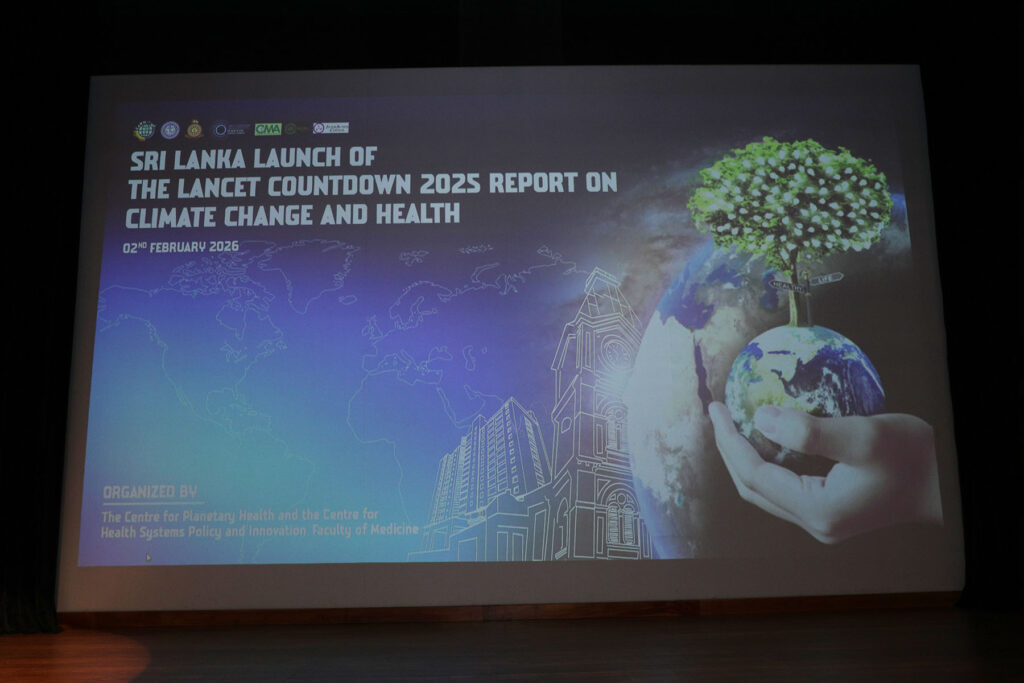
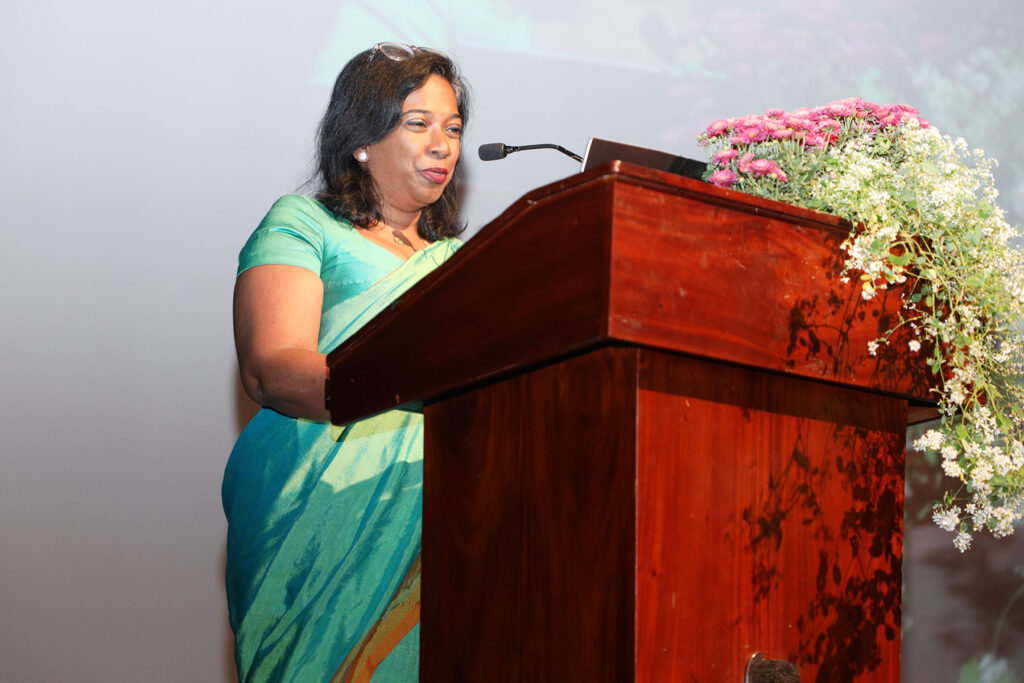
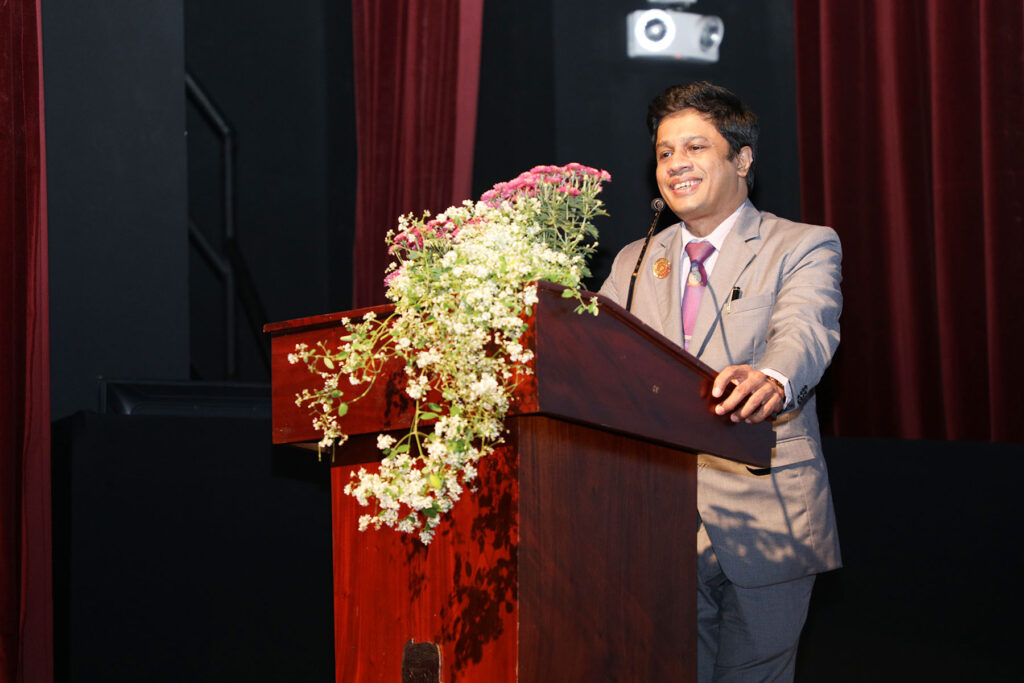
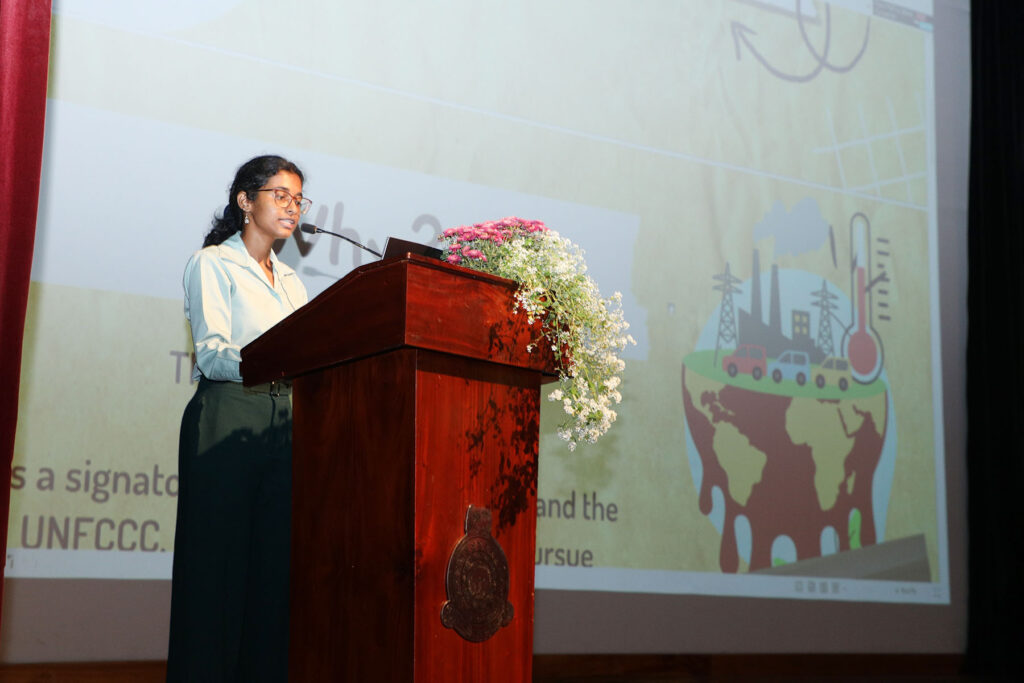
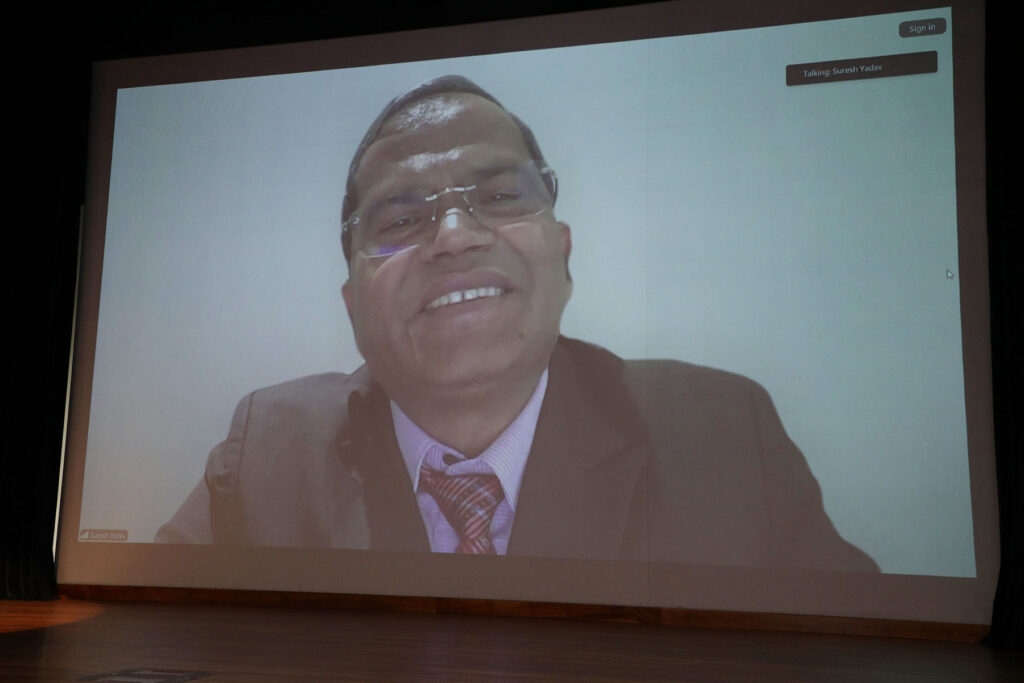
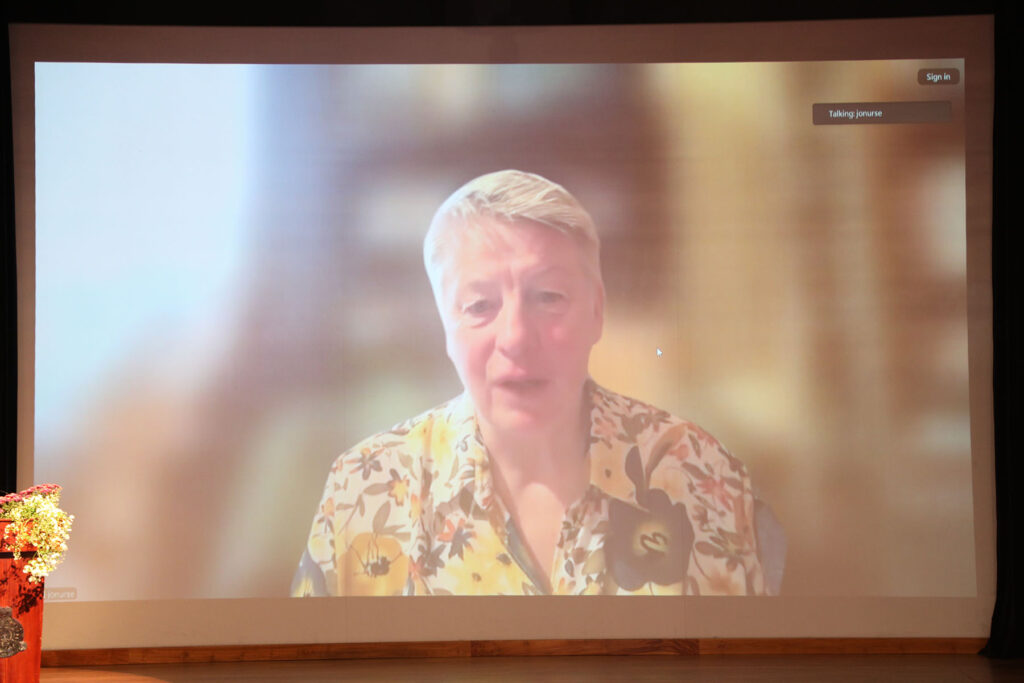
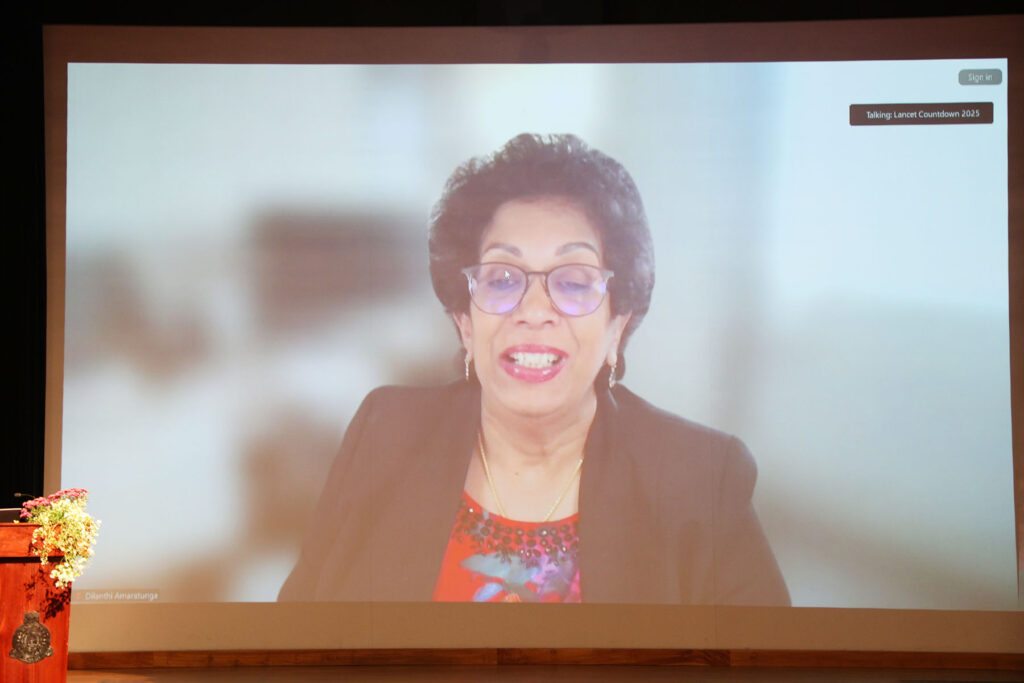
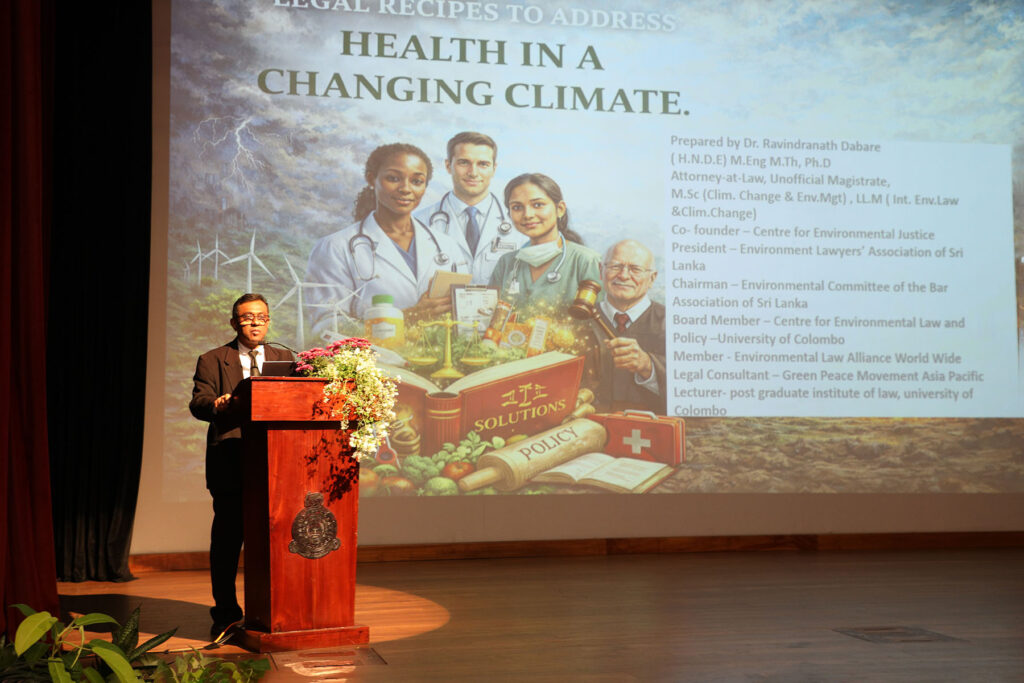
CHSPI and the Centre for Planetary Health jointly hosted the Sri Lanka launch of the Lancet Countdown 2025 Report on Climate Change and Health in partnership with the Lancet Countdown initiative.
The event brought together national and international leaders in health, climate science, sustainable development, and policy to examine the health impacts of climate change and identify opportunities for strengthening climate-resilient health systems.
A major highlight was the presentation of the global Lancet Countdown findings by Professor Meisam Tabatabaei (University College London and University Malaysia Terengganu), followed by the launch of Sri Lanka’s Planetary Health Dashboard by Dr. Roshan Hewapathirana. The dashboard provides a national platform for monitoring climate-health indicators and translating evidence into actionable policy insights.
The programme featured contributions from the Ministry of Health, World Health Organization, Sri Lanka Medical Association, Commonwealth Medical Association, Commonwealth Secretariat, Loughborough University, the Centre for Environmental Justice, the Interaction Council of Former Heads of State and Government, and the World Academy of Sustainable Development.
Key themes included climate-health surveillance, environmental determinants of health, planetary health leadership, resilience building, legal and policy responses to climate change, and the role of professional organizations in advancing climate-health action.
The event also launched the Student Committee for Planetary Health, strengthening youth engagement and leadership in climate and health advocacy.
Partners: Lancet Countdown, Centre for Planetary Health, World Health Organization, Sri Lanka Medical Association, Commonwealth Medical Association, Commonwealth Secretariat, Interaction Council, World Academy of Sustainable Development, Loughborough University, Centre for Environmental Justice, Commonwealth Centre for Digital Health.
Key Outcomes:
- Launch of Sri Lanka’s Planetary Health Dashboard.
- Strengthened national and international collaboration on climate and health.
- Promotion of evidence-informed approaches for climate-resilient health systems.
- Establishment of a student-led planetary health movement.
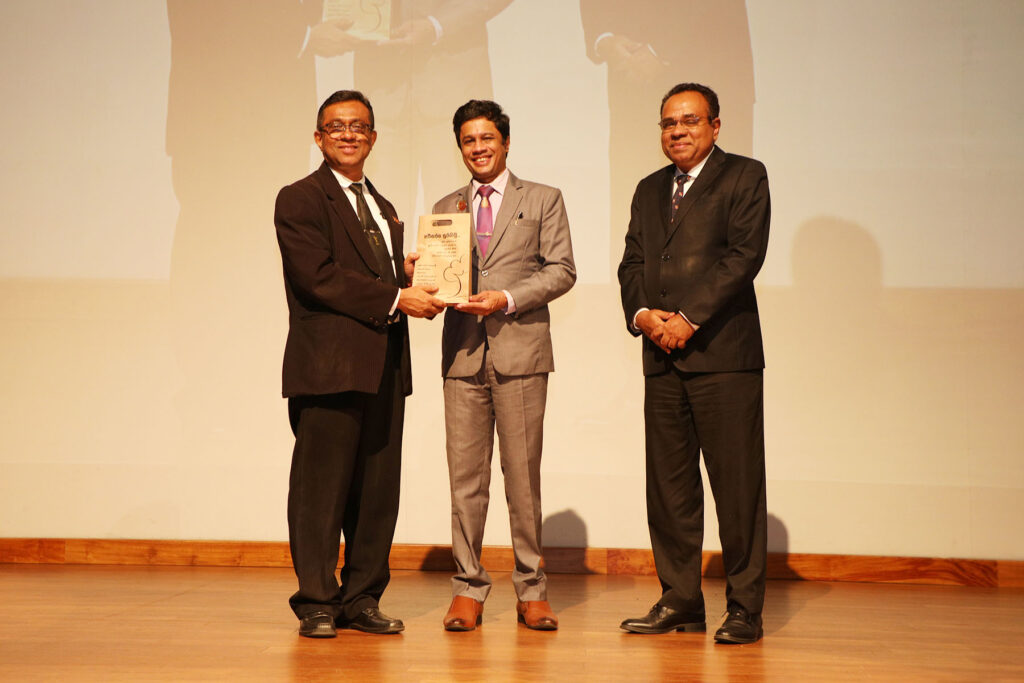
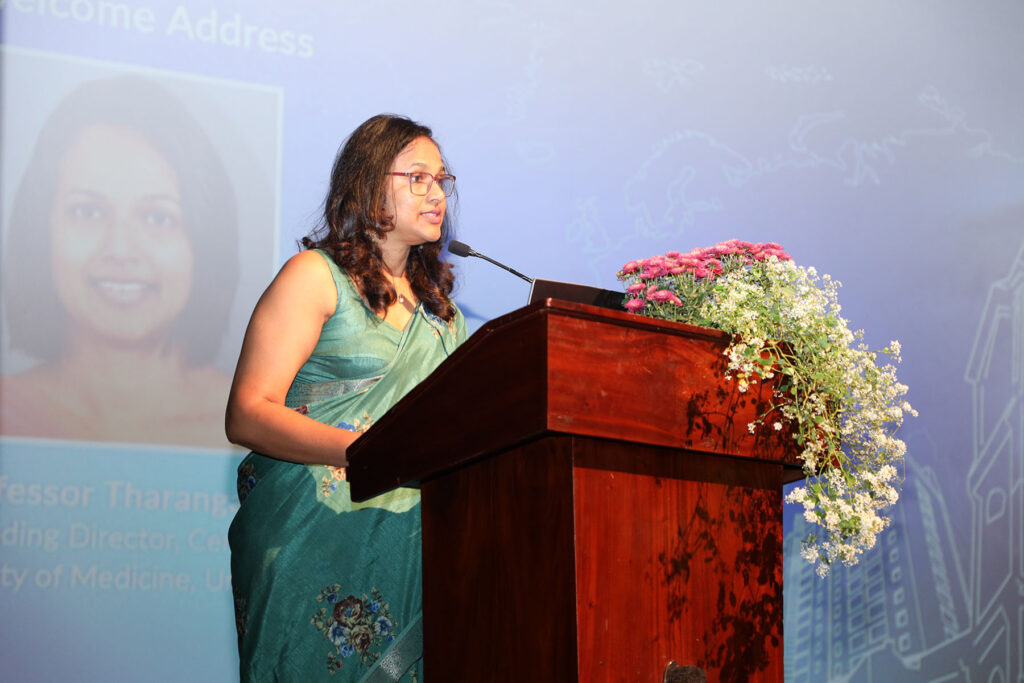
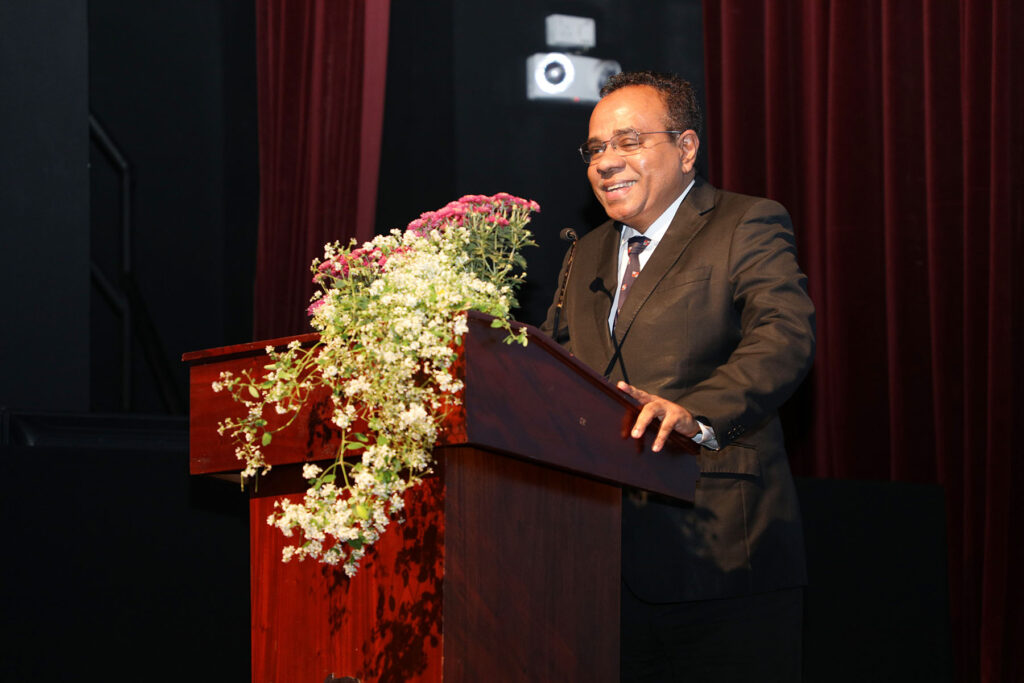
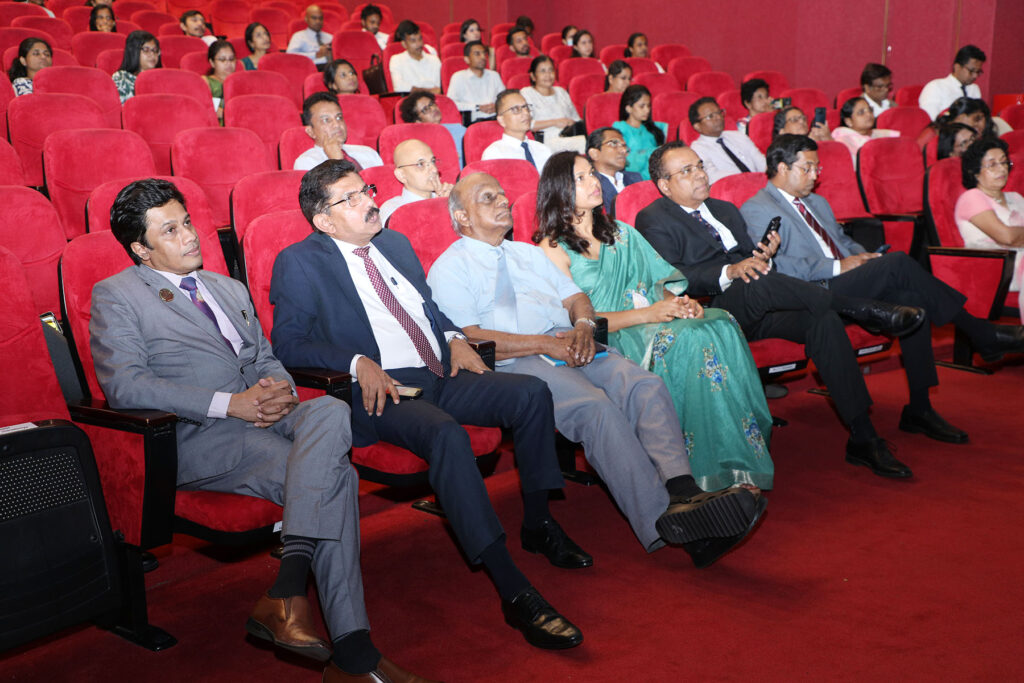
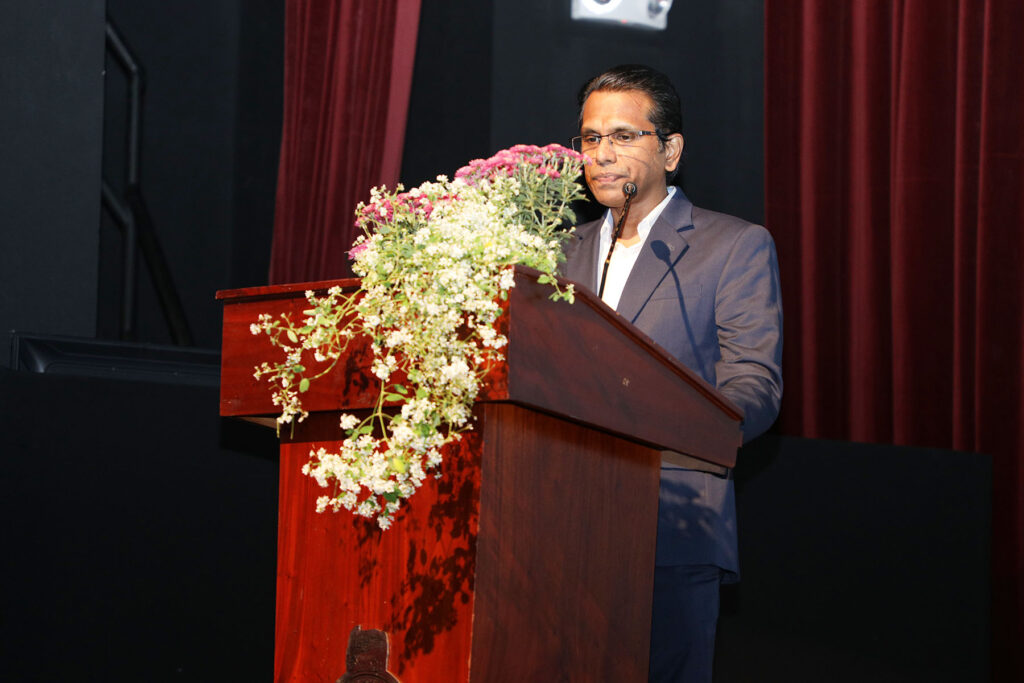
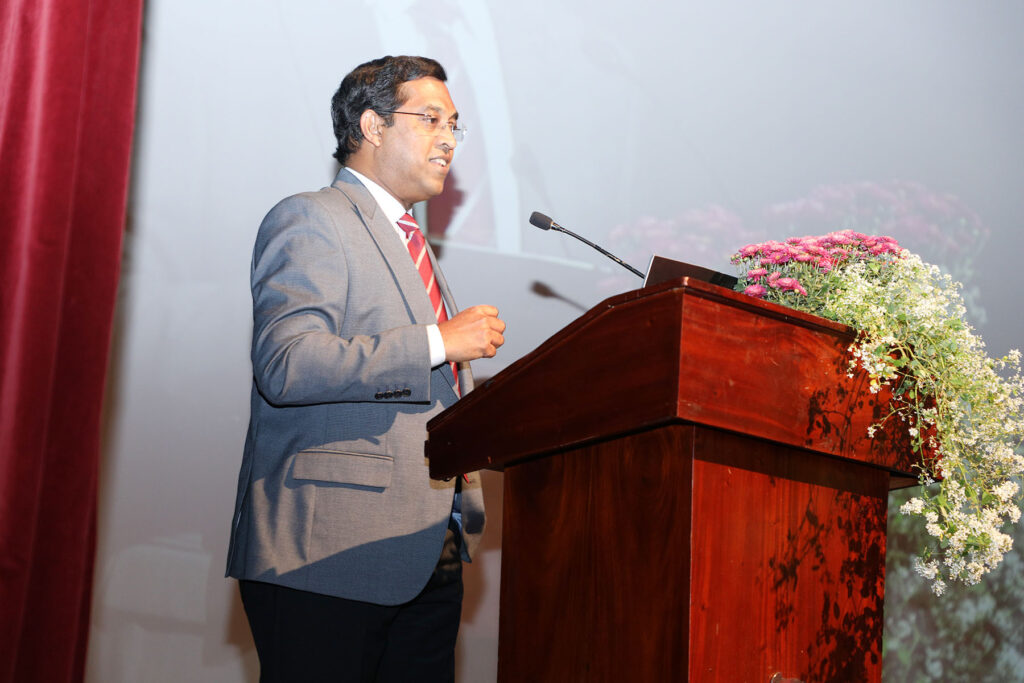
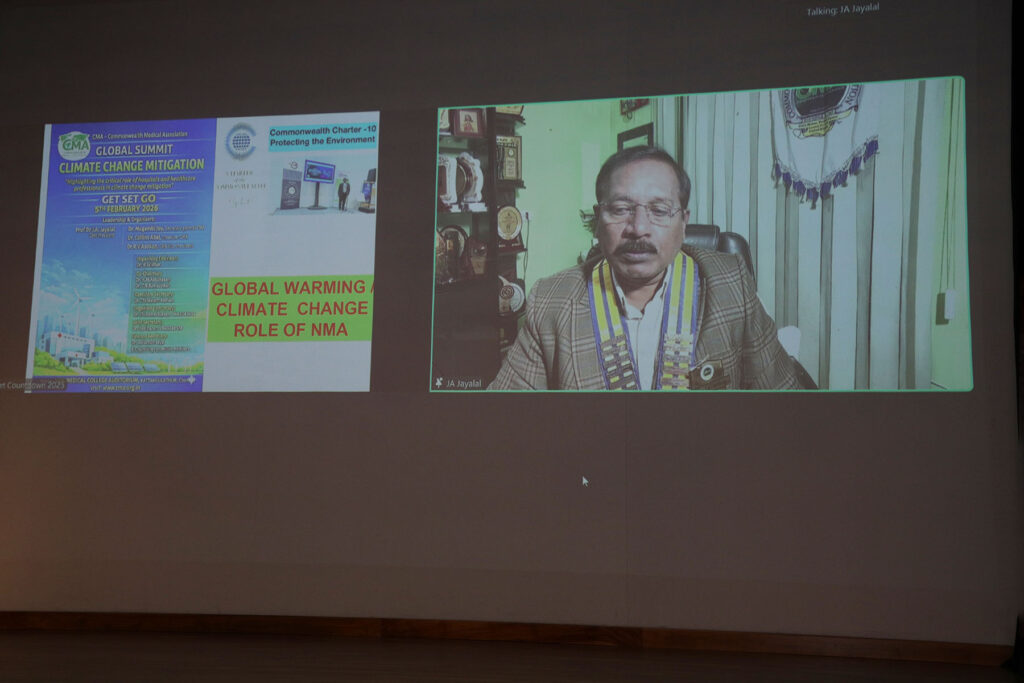
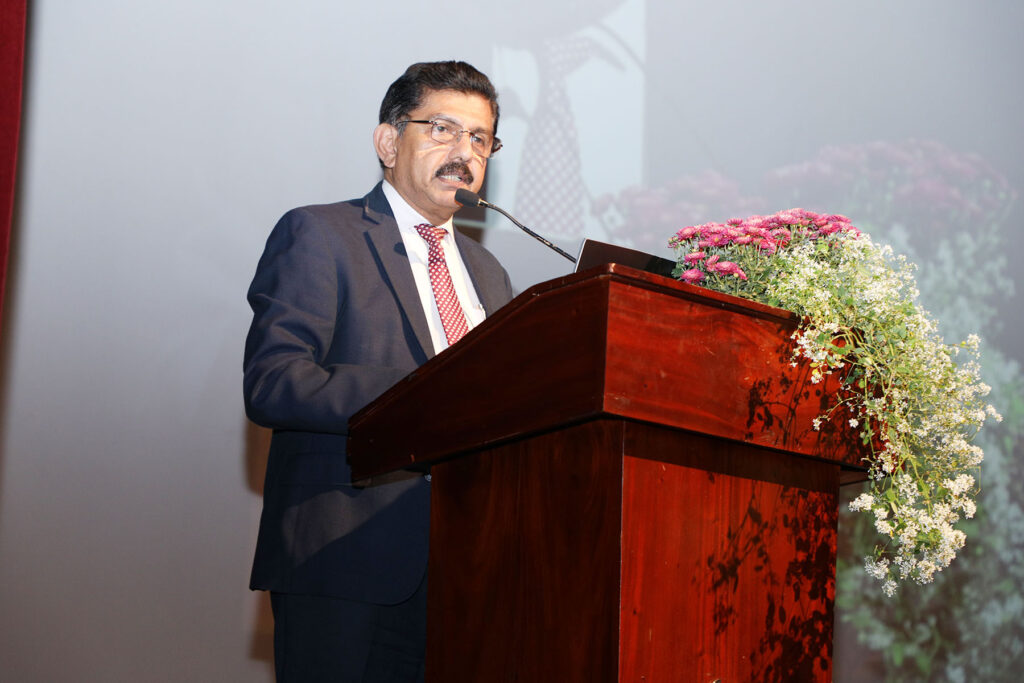
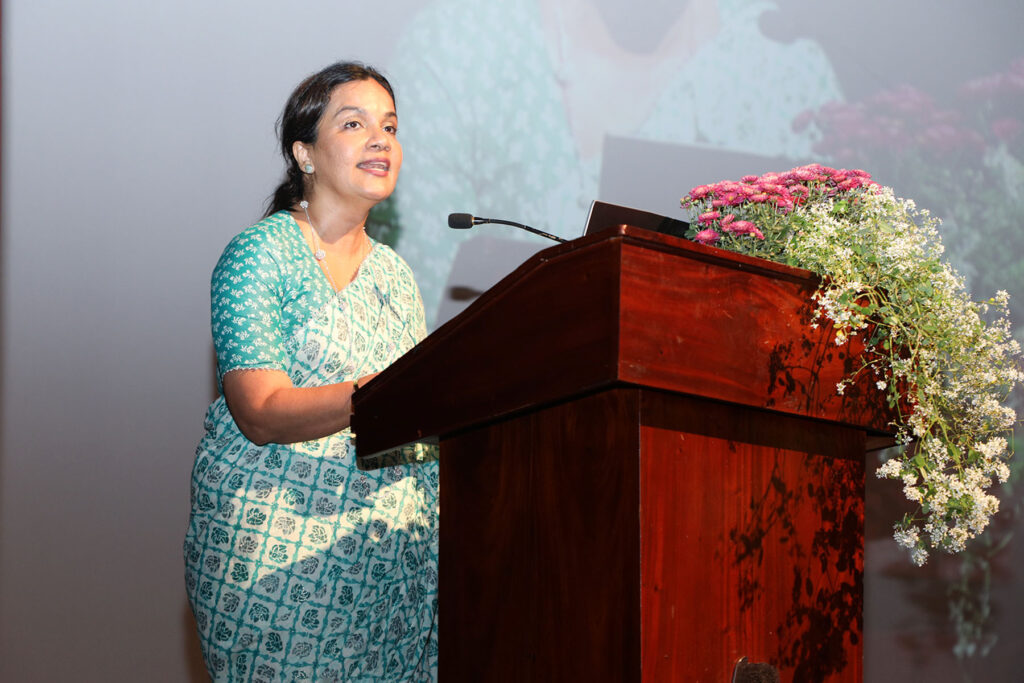
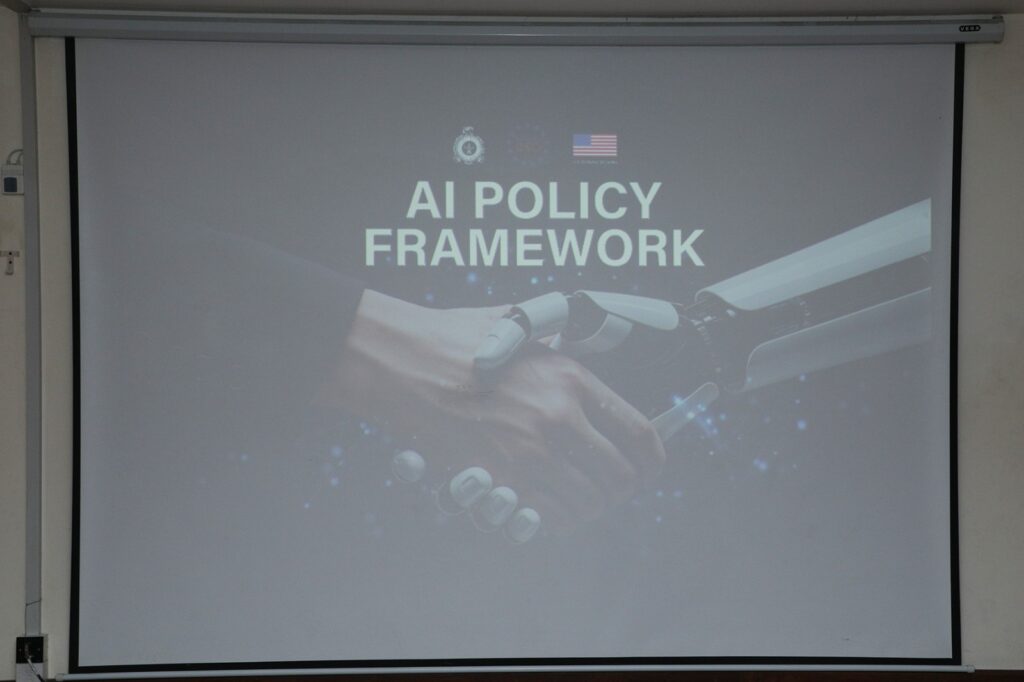
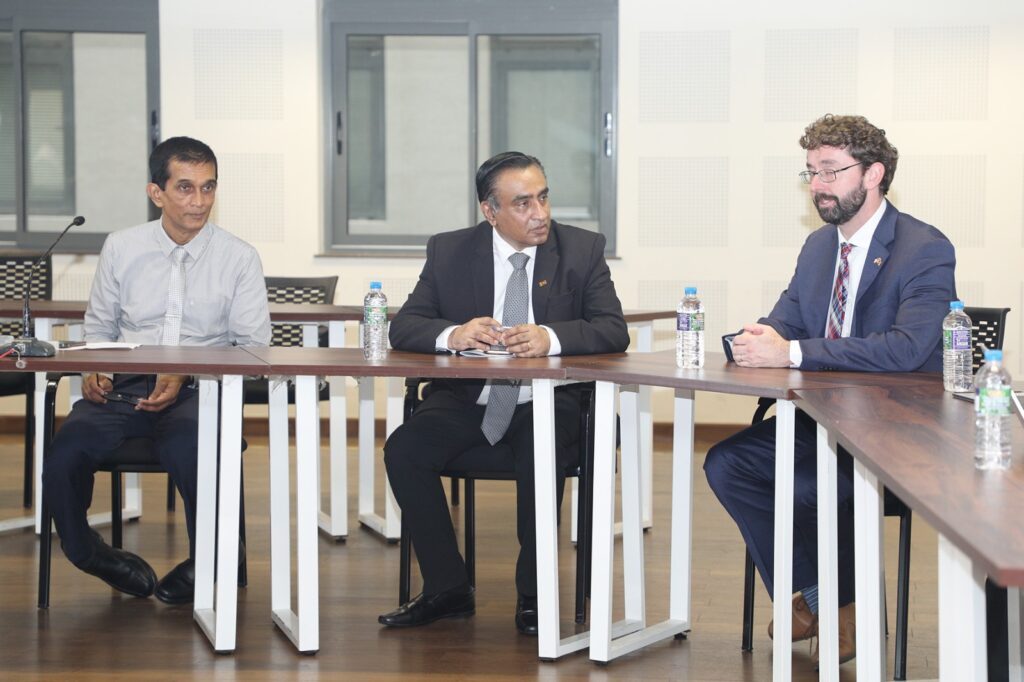
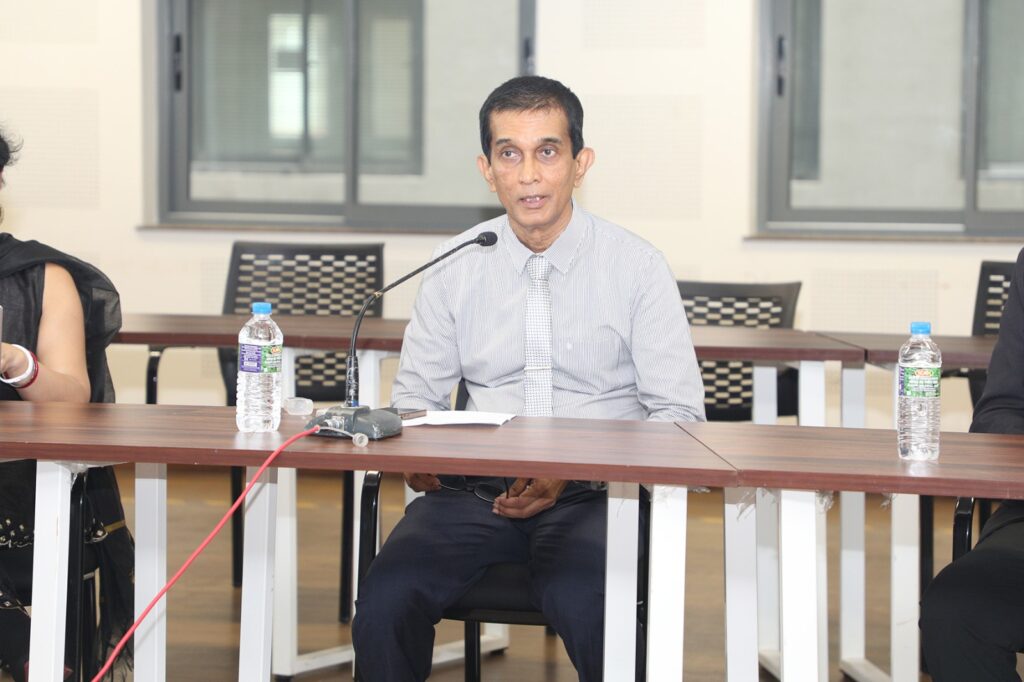
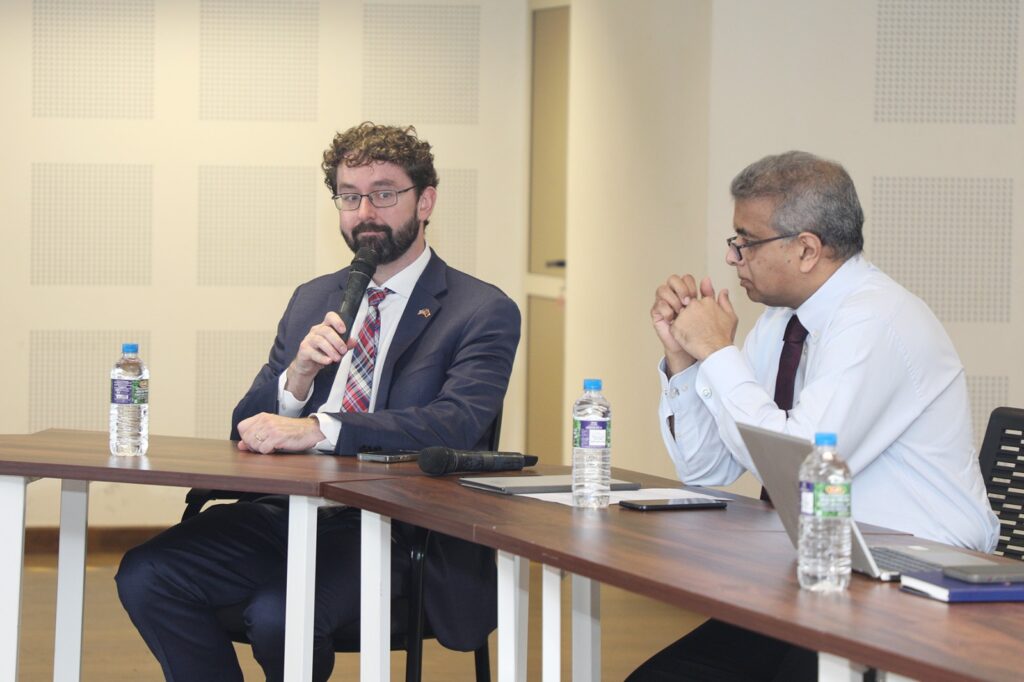
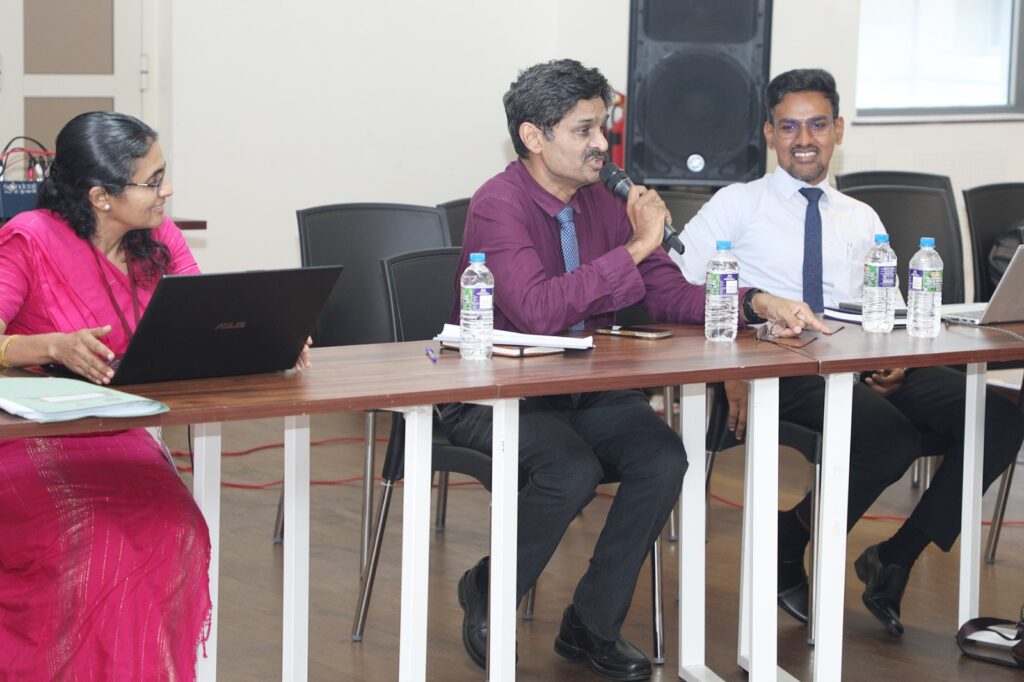
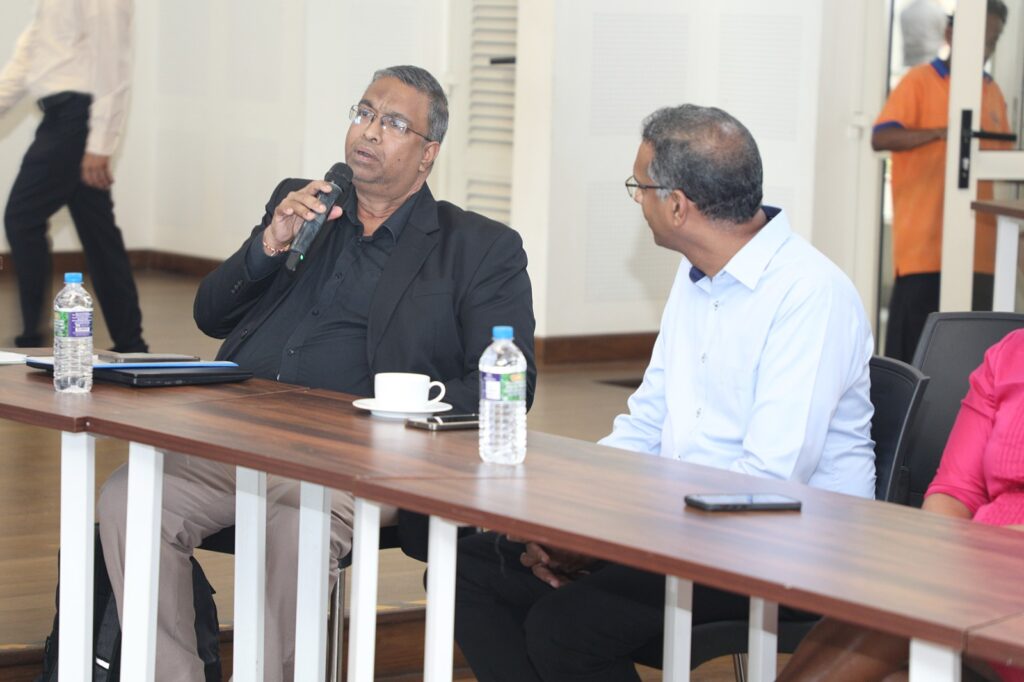
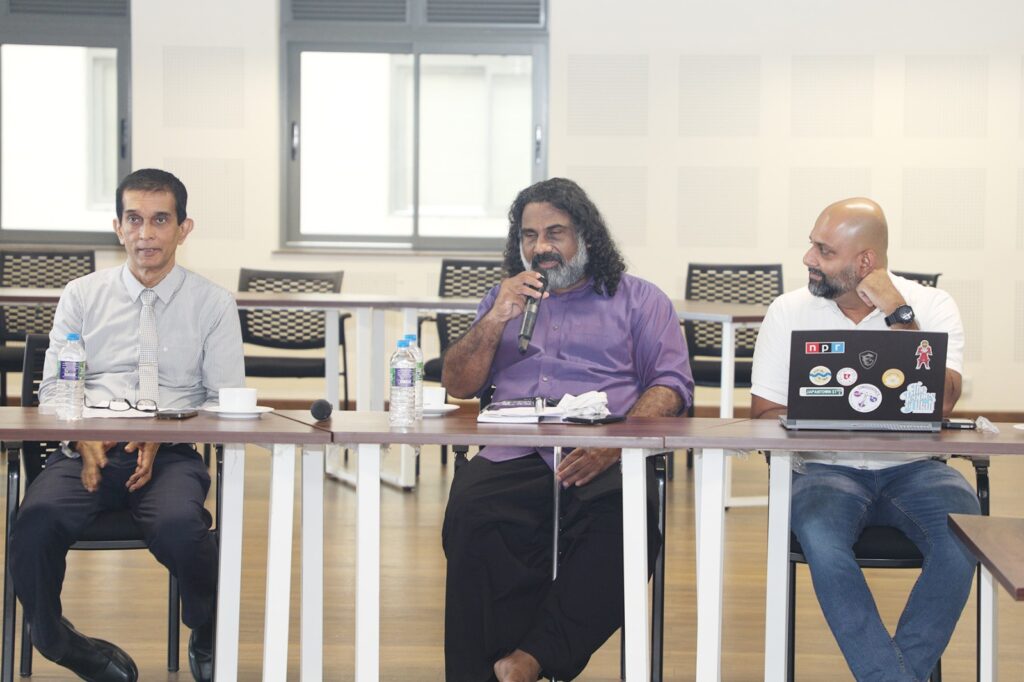
CHSPI hosted the national stakeholder consultation supporting the development of the Artificial Intelligence Policy Framework for Sri Lankan Universities, an initiative led by the University Grants Commission (UGC) in partnership with the U.S. Embassy in Sri Lanka.
The consultation formed part of the second phase of the national AI policy development process and brought together leaders from higher education, government, industry, professional bodies, public administration, the arts sector, and the student community.
Participants examined the opportunities and challenges associated with the adoption of AI across teaching, learning, research, administration, governance, innovation, workforce development, and public service delivery. Discussions focused on responsible AI governance, ethics, academic integrity, digital transformation, institutional readiness, and future workforce requirements.
Dedicated stakeholder sessions were conducted with:
- University leaders and policymakers;
- The Ministry of Digital Economy, Ministry of Education, Ministry of Science and Technology, and other government agencies;
- Technology and policy experts including representatives of LIRNEasia;
- The University of the Visual and Performing Arts, Department of Cultural Affairs, Symphony Orchestra, and National Youth Orchestra;
- Industry representatives from the Ceylon Chamber of Commerce, National Chamber of Commerce, Organization of Professional Associations, Public Service Commission, and Ministry of Public Administration;
- Students from universities across Sri Lanka.
The consultation generated recommendations for the responsible adoption and governance of AI across the university sector while ensuring innovation, inclusivity, accountability, and protection of academic values.
Partners: University Grants Commission, U.S. Embassy Sri Lanka, Ministry of Digital Economy, Ministry of Education, Ministry of Science and Technology, LIRNEasia, University of the Visual and Performing Arts, Ceylon Chamber of Commerce, National Chamber of Commerce, Organization of Professional Associations, Public Service Commission.
Key Outcome: Stakeholder recommendations that informed the refinement of Sri Lanka’s national AI Policy Framework for Universities.
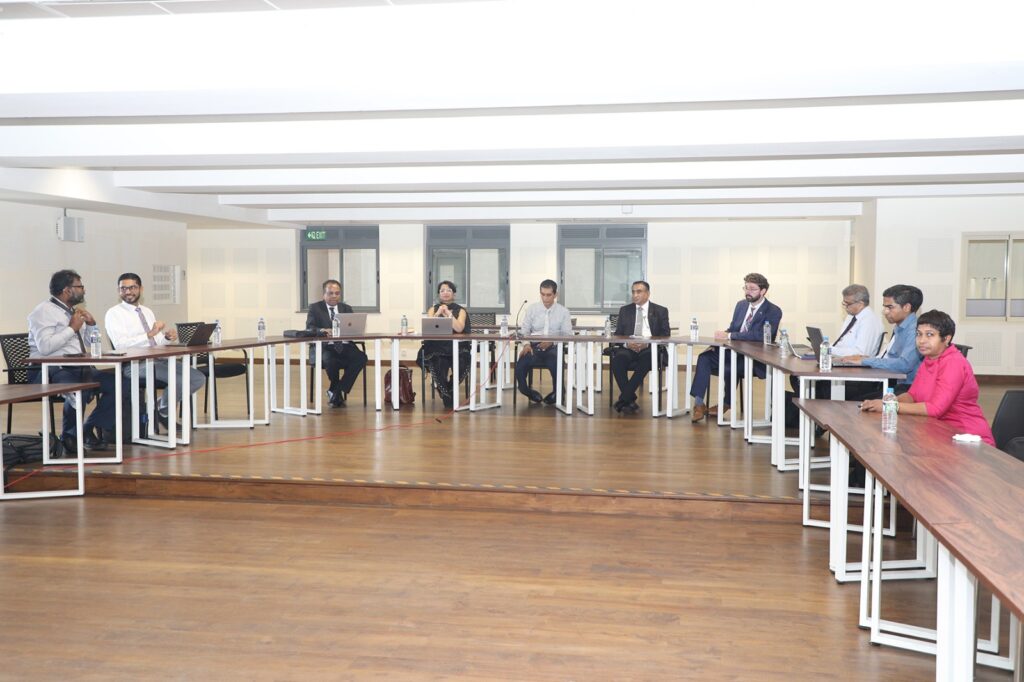
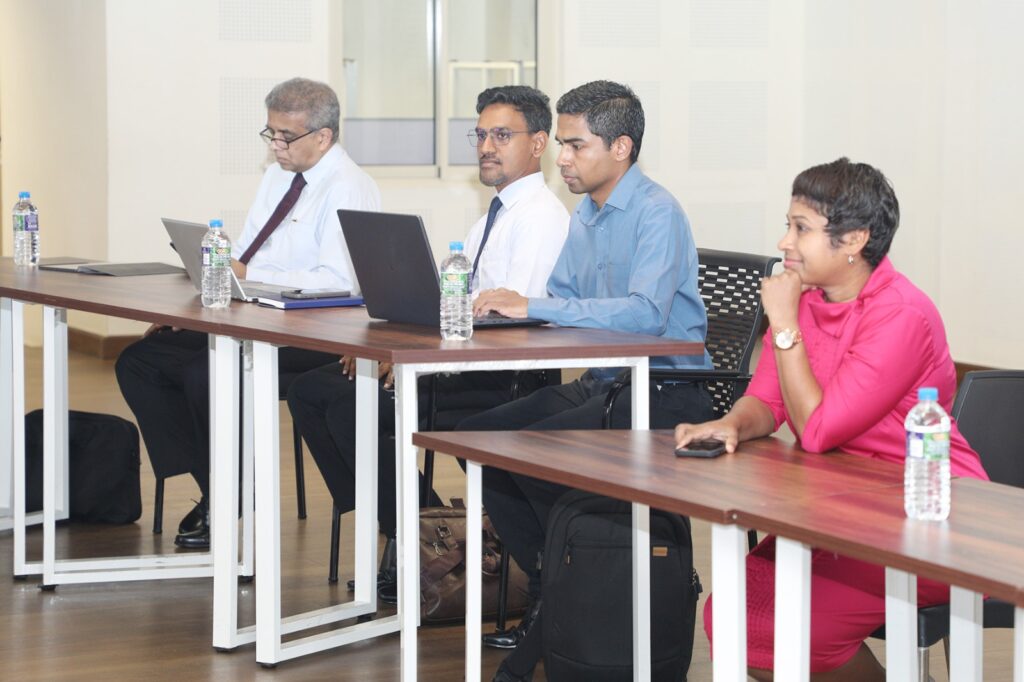
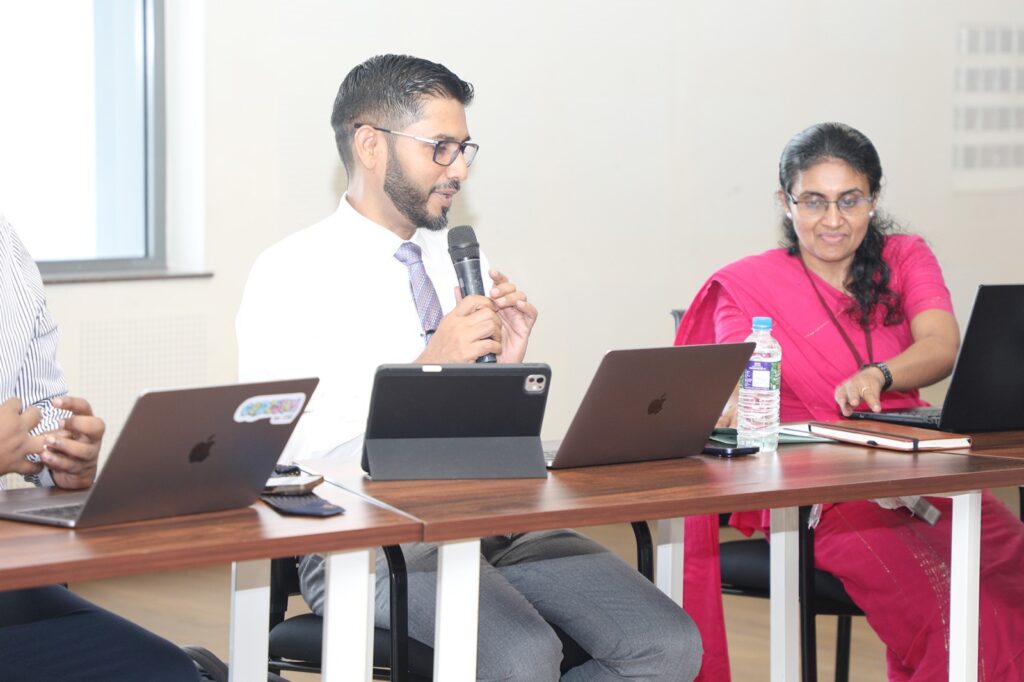
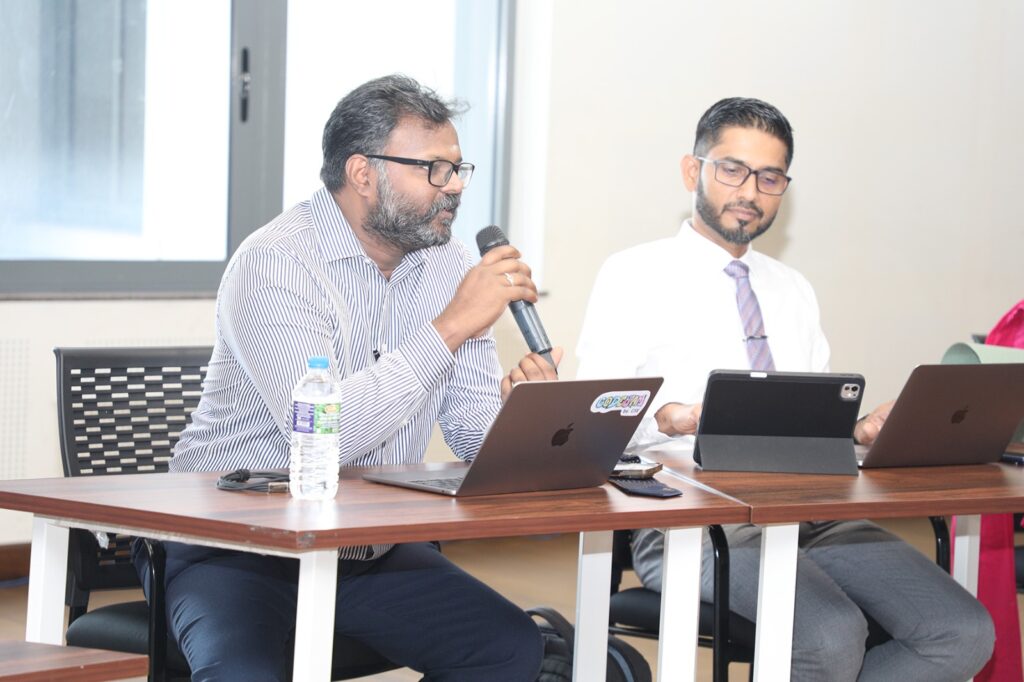
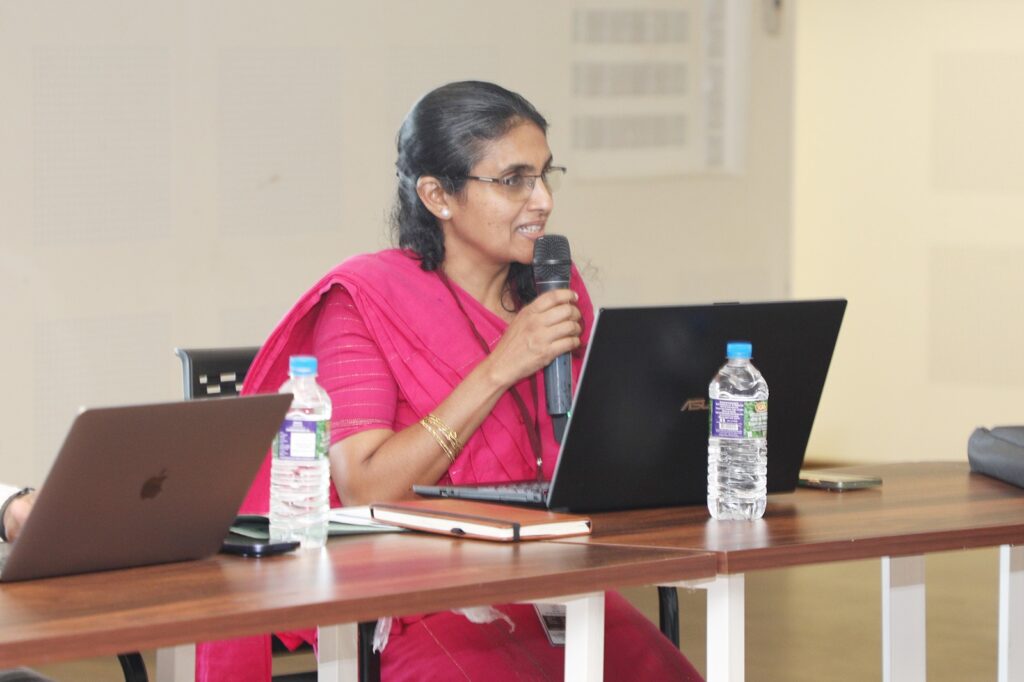
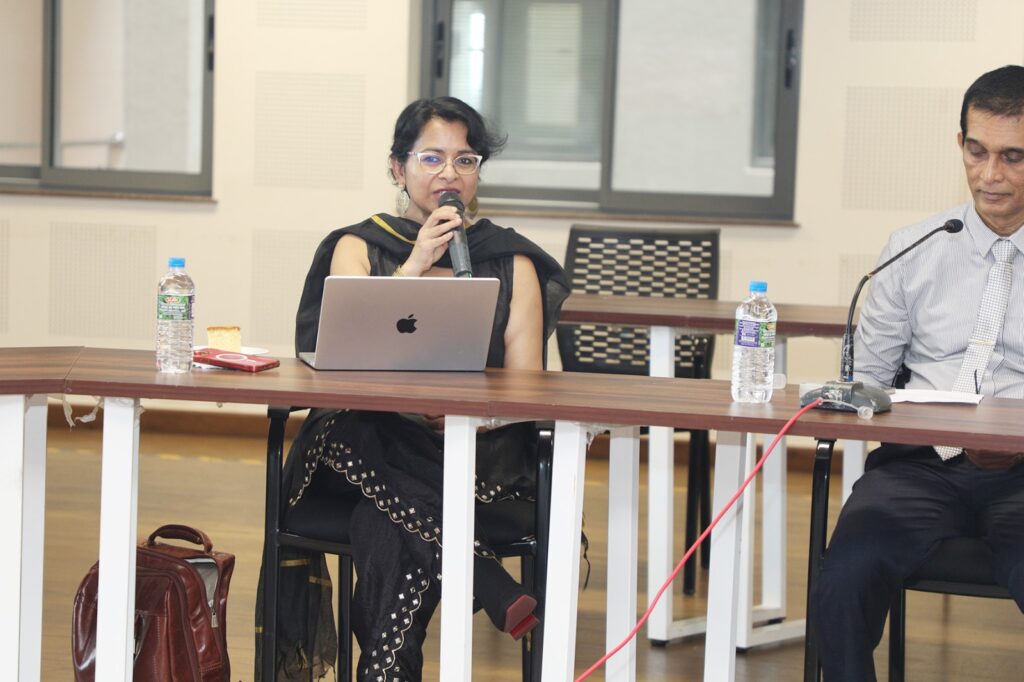
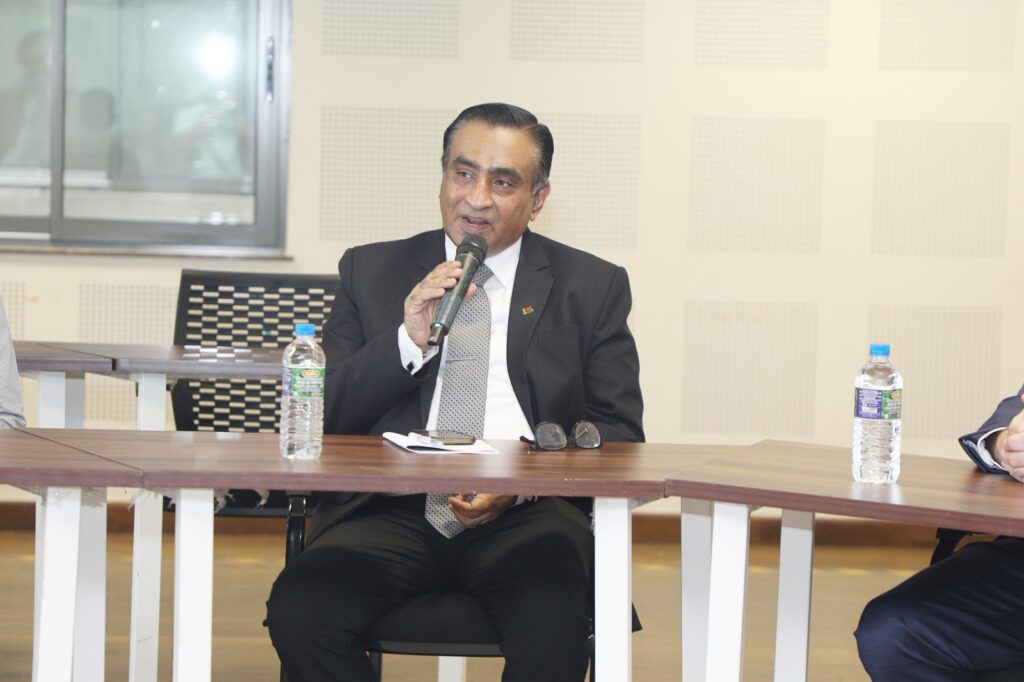
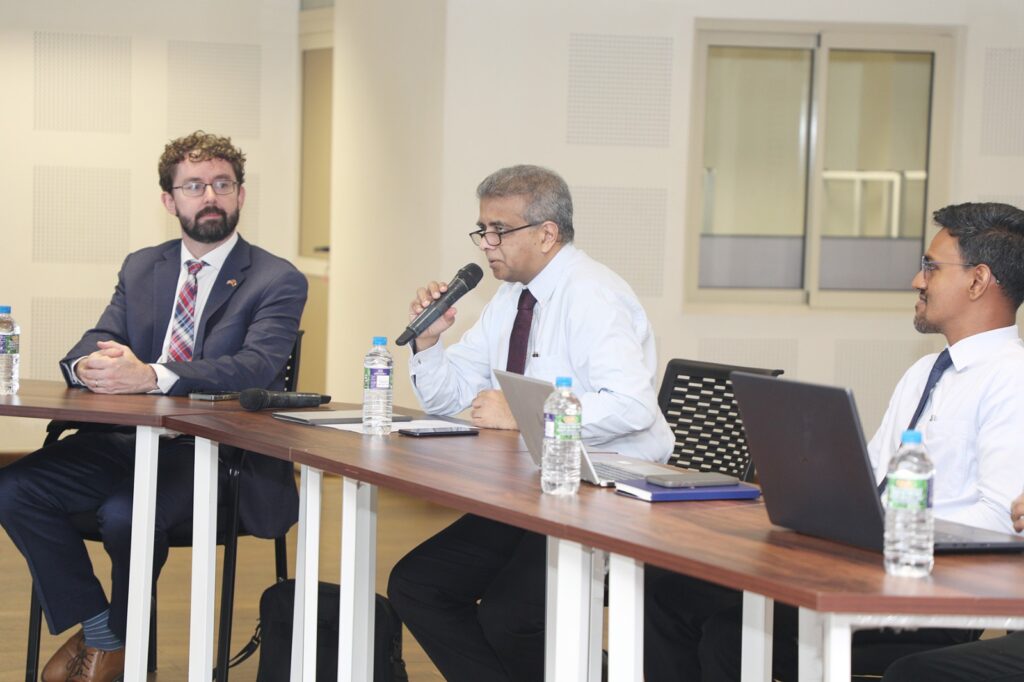
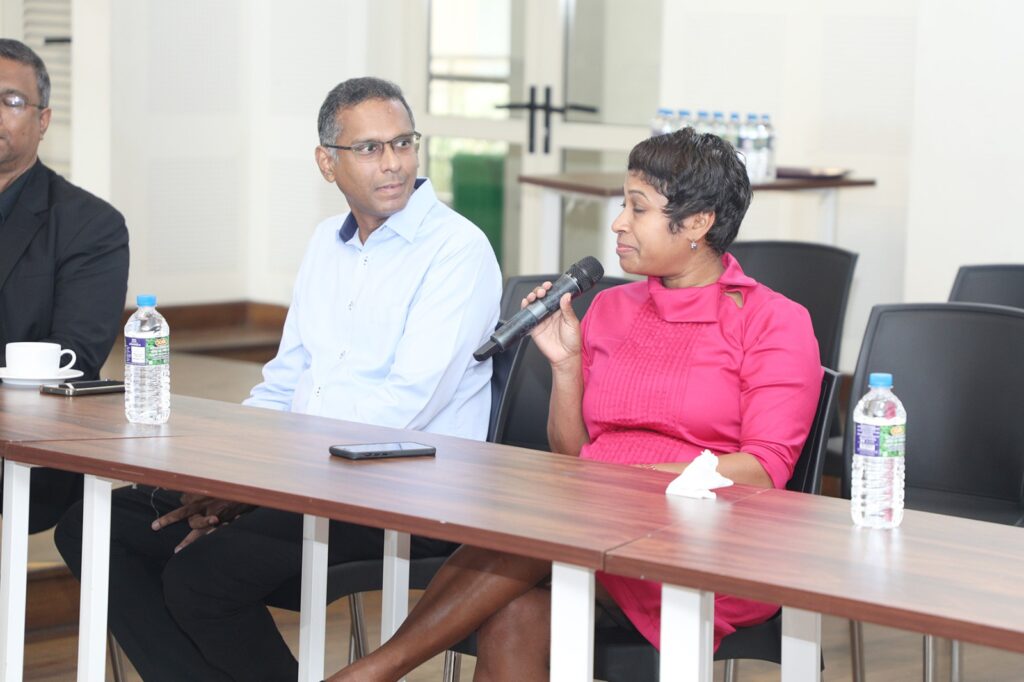
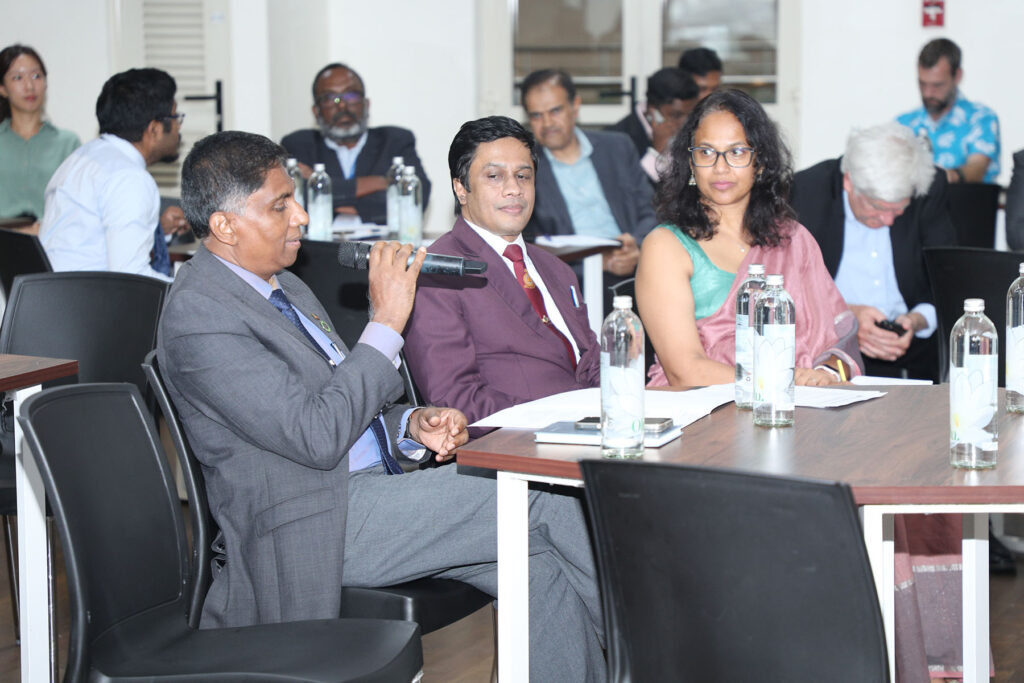
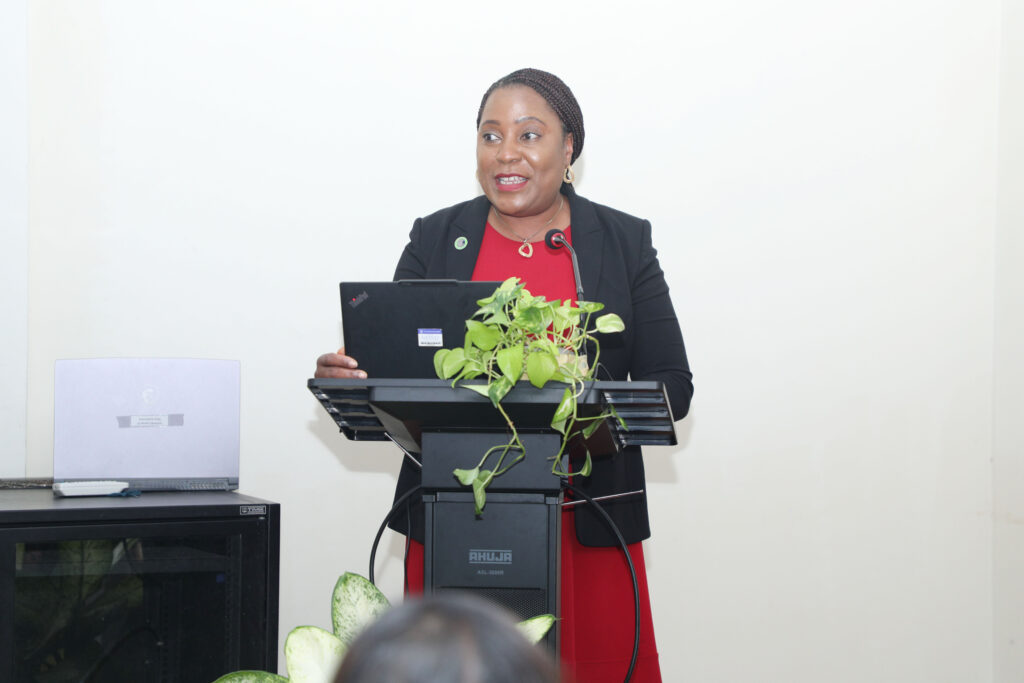
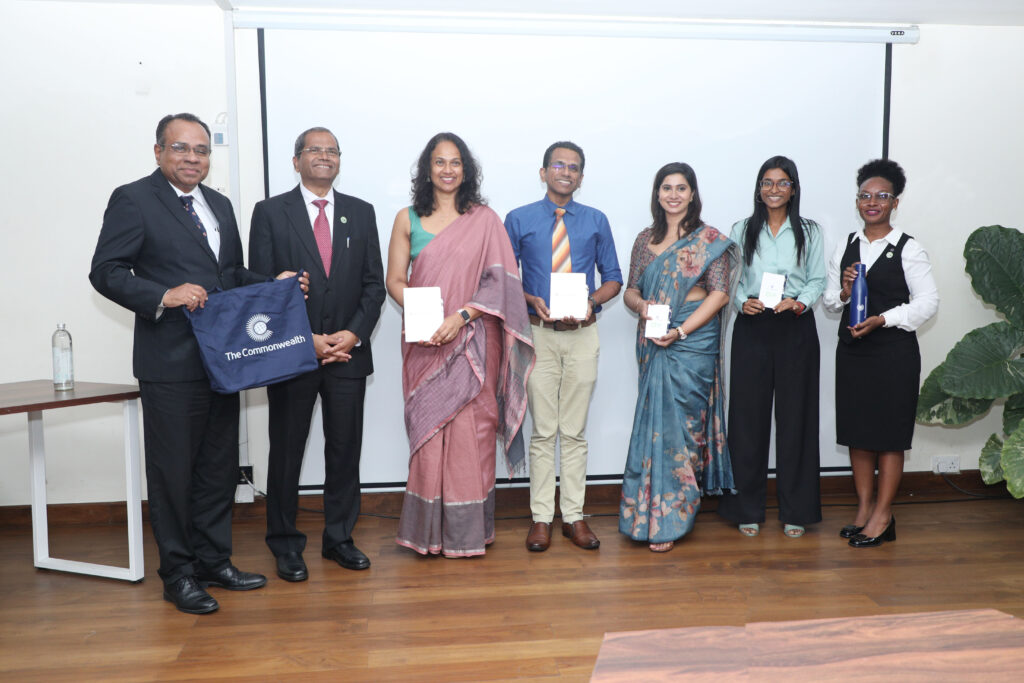
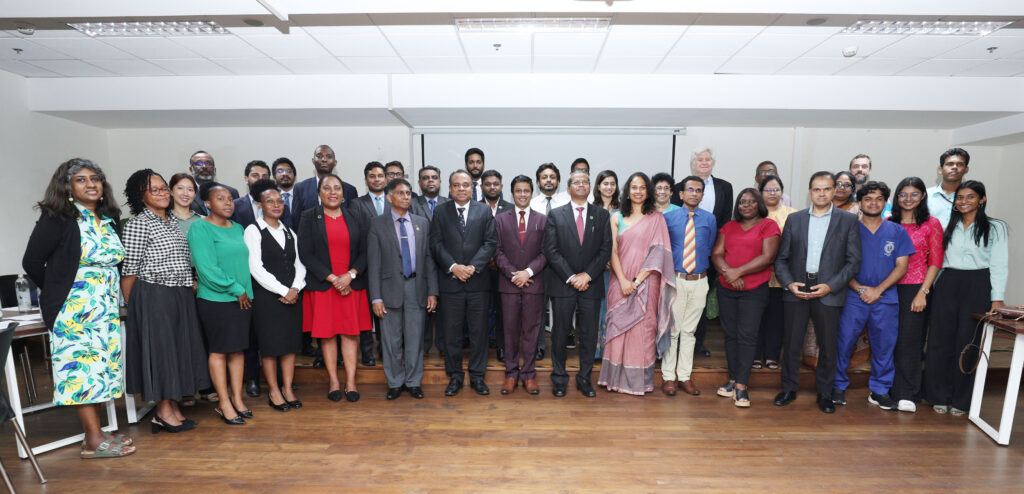
CHSPI and the Centre for Planetary Health convened a high-level international roundtable in collaboration with the Commonwealth Secretariat and the Commonwealth Climate Finance Access Hub (CCFAH) to explore how climate-health intelligence can strengthen policymaking, resilience planning, and climate financing across Commonwealth countries.
The dialogue centred on the Climate Health Dashboard developed by the Faculty of Medicine, University of Colombo, which integrates climate, environmental, and health indicators based on the Lancet Countdown framework. The platform is designed to support risk identification, climate-sensitive health surveillance, evidence-informed policymaking, resilience planning, and investment-ready climate financing proposals.
The roundtable brought together senior representatives from the Commonwealth Secretariat, Commonwealth Climate Finance Access Hub, ministries of health, environment, finance and planning, international organizations, development partners, financing institutions, academia, and youth networks.
Discussions focused on:
- Translating climate-health intelligence into policy and operational action;
- Strengthening preparedness and resilience planning;
- Leveraging evidence for climate financing access and investment readiness;
- Aligning climate-health indicators with national priorities and financing frameworks;
- Building regional partnerships for implementation and scale.
The event was addressed by Suresh Yadav (Commonwealth Secretariat), Aurelius Nkonde (CCFAH), Uzoamaka Nwamarah (Commonwealth Secretariat), Professor Tharanga Thoradeniya, Professor Vajira H. W. Dissanayake, and Dr. Roshan Hewapathirana.
Participants identified opportunities for pilot implementation across Commonwealth countries and recommended the development of collaborative projects and a position paper to guide future action.
Partners: Commonwealth Secretariat, Commonwealth Climate Finance Access Hub (CCFAH), Centre for Planetary Health, Centre for Digital Health, Commonwealth Youth Network, and multiple national and international climate-health stakeholders.
Key Outcomes:
- Demonstration and validation of the Climate Health Dashboard as a policy and financing tool.
- Identification of pilot implementation opportunities across Commonwealth countries.
- Strengthened collaboration between climate-health and climate-financing stakeholders.
- Development of recommendations for scaling climate-health intelligence to support climate-resilient health systems and sustainable development.
- Initiation of collaborative projects and policy publications.